Contact Us
UK Customs Clearance & Compliance Services
Woodland Group provides UK customs clearance, brokerage and trade compliance services, helping businesses navigate HMRC requirements, manage import duties and move goods efficiently across international borders.
Our experienced customs specialists combine UK regulatory expertise with an established global logistics network, supporting businesses with customs declarations, duty management, specialist procedures and compliance consultancy.
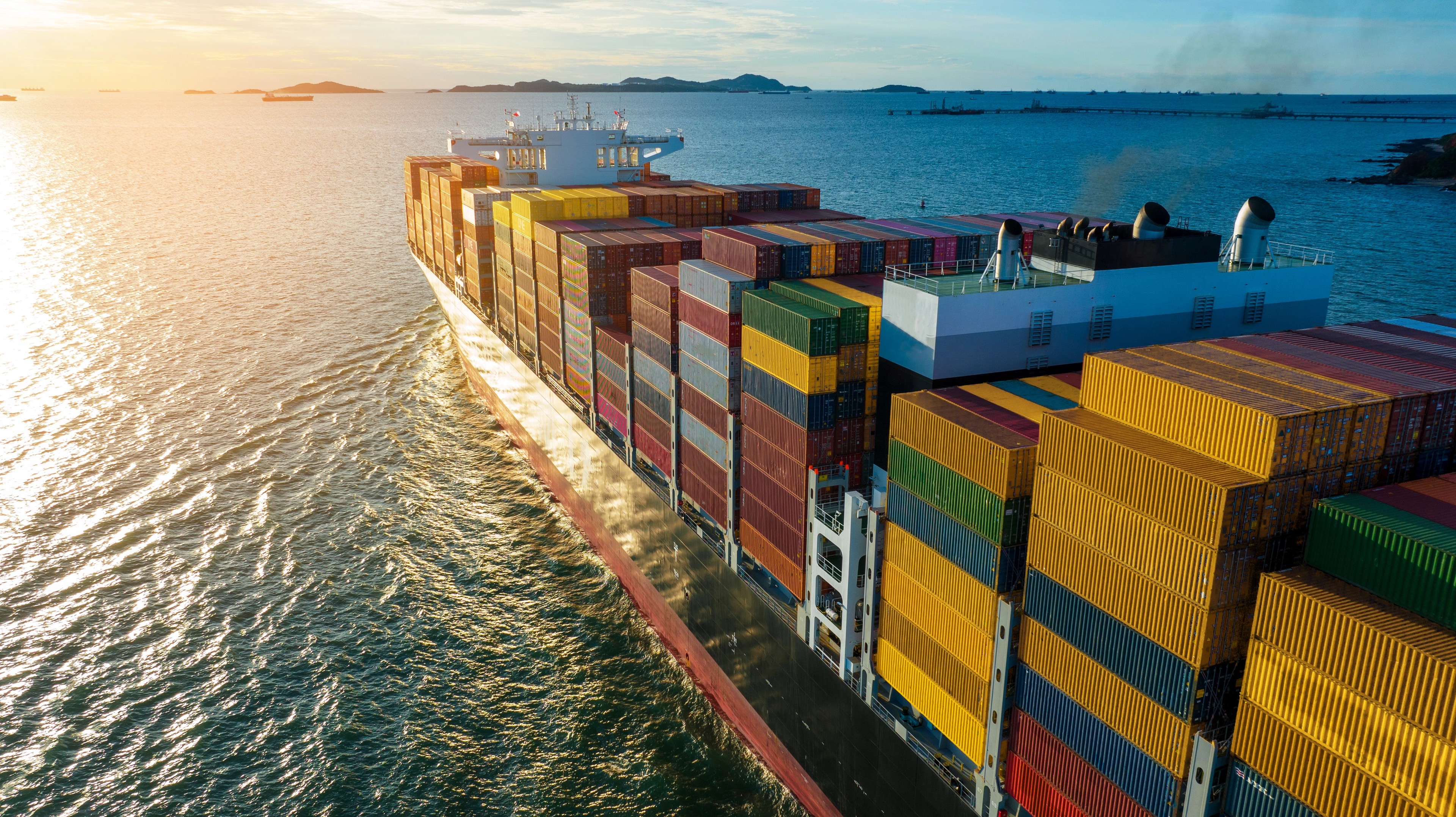
UK Customs Expertise That Supports Your Supply Chain
Moving goods into and out of the United Kingdom requires accurate customs declarations, reliable documentation and a clear understanding of the regulations governing international trade.
From commodity classification and import VAT to duty relief, customs warehousing and UK–EU trade arrangements, businesses face a range of responsibilities that can influence operating costs, compliance and supply chain performance.
Woodland Group's UK customs specialists provide practical clearance, consultancy and compliance support, working alongside our international air, sea, road, rail, warehousing and distribution teams to help businesses manage customs requirements as part of their wider logistics operations.
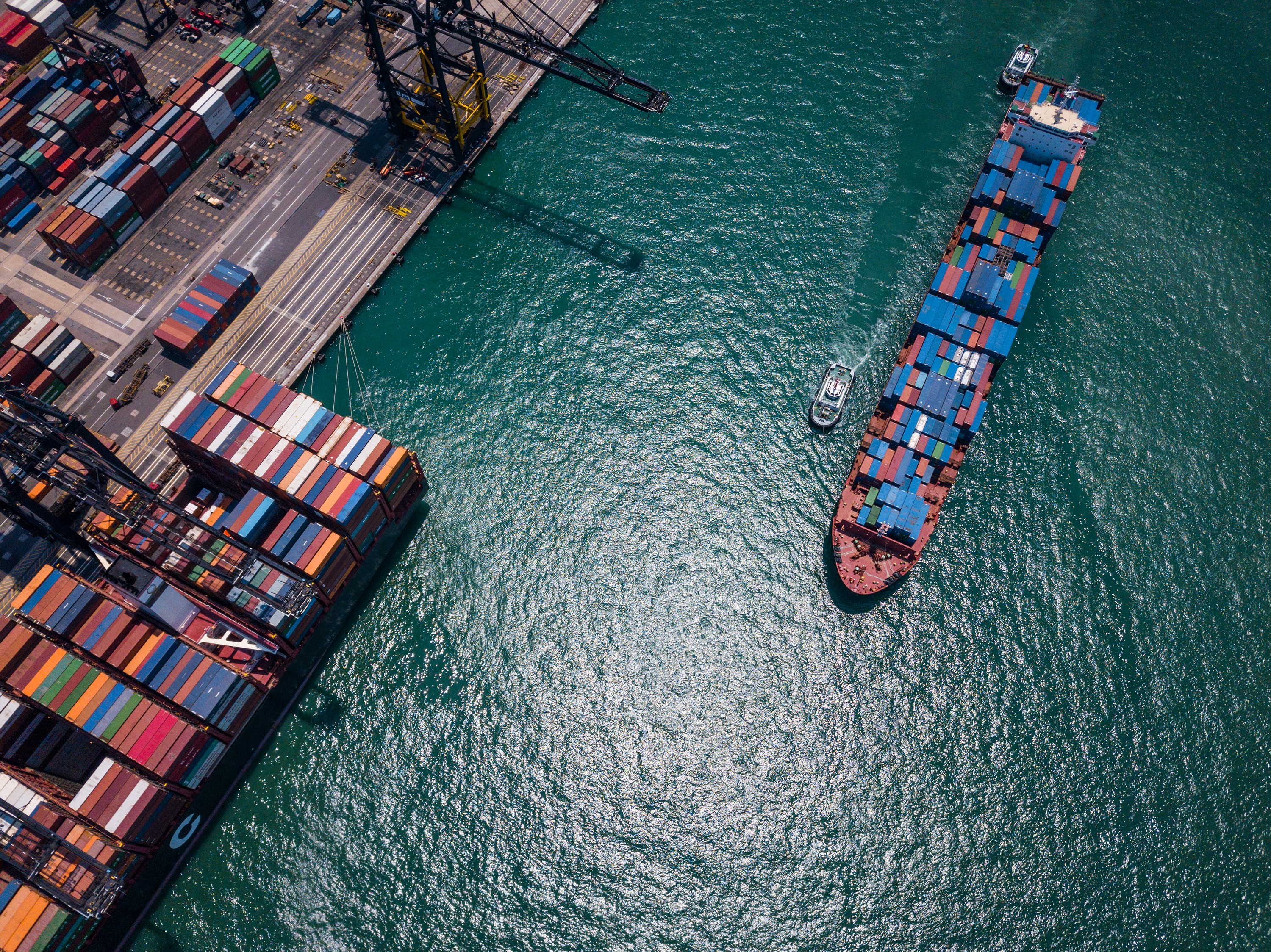
Accredited and trusted across the global sea freight network


Customs Services That Support UK Trade
UK customs requirements extend beyond completing individual import and export declarations. Accurate classification, duty management, customs procedures and regulatory compliance all influence the cost and efficiency of international trade.
Woodland combines directly managed UK customs clearance with specialist consultancy and integrated logistics services, helping businesses manage day-to-day customs requirements alongside longer-term compliance and commercial objectives.

UK Customs Clearance & Declarations
Woodland provides import and export customs clearance services for goods moving through UK ports, airports and international transport networks.
Our in-house customs teams prepare and manage declarations through HMRC's Customs Declaration Service (CDS), supporting businesses with commodity classifications, customs valuation, origin information and relevant supporting documentation.
We coordinate customs formalities with freight forwarding, warehousing and onward distribution, helping businesses manage the movement of goods across international borders with fewer avoidable complications.
Customs Compliance, Sorted.
Customs compliance affects much more than the movement of individual shipments. From accurate import declarations and tariff classification to duty liabilities, origin documentation and regulatory controls, businesses need a clear understanding of their responsibilities.
Woodland Group's Customs Compliance, Sorted. guide provides practical advice to help UK importers and exporters recognise potential risks, review existing procedures and approach international trade with greater confidence.
- The five universal principles of customs compliance
- Importer and exporter responsibilities
- UK customs essentials, including CDS, commodity codes and valuation
- Tariff classification, origin and duty management considerations
- UK–EU trading requirements and relevant customs procedures
- A practical customs compliance checklist
- Guidance on when to involve a customs specialist
Whether you're reviewing existing customs arrangements or preparing to trade with new international markets, our guide provides a useful starting point for strengthening compliance and reducing avoidable supply chain risks.

Industry-Specific Customs Compliance
Different industries face distinct customs, tariff and regulatory requirements. From packaging legislation and carbon border measures to product classification, origin documentation and import controls, Woodland helps businesses understand and manage the requirements affecting their international supply chains.


Specialist Customs Support Beyond Clearance
Commodity Classification, Valuation & Origin
Accurate commodity classification is fundamental to UK customs compliance. The correct code influences import duties, licensing requirements, trade measures and the supporting information required on a customs declaration.
Woodland reviews product information, existing classifications, customs valuation and country-of-origin documentation to help businesses identify inconsistencies and understand their obligations.
Our specialists can also assist with Advance Tariff Ruling applications and assess relevant preferential origin arrangements, helping businesses develop greater consistency across their import and export operations.

Inward Processing, Outward Processing & Duty Relief
UK customs procedures can provide opportunities for eligible businesses to suspend or reduce duties where imported or exported goods meet specific conditions.
Inward Processing can allow qualifying goods to be imported for processing or repair without immediately paying import duty, while Outward Processing may provide relief when eligible goods are temporarily exported for processing before returning to the UK.
Woodland helps businesses assess suitable procedures, understand authorisation requirements and manage the relevant customs documentation and recordkeeping obligations.
Our specialists can also review applicable duty suspensions, tariff quotas and other relief arrangements according to the nature of the goods and trading activity.

Customs Warehousing & Duty Suspension
Customs warehousing enables eligible imported goods to be stored under customs control without immediately paying import duty and import VAT, subject to the requirements of the authorised procedure.
This can be particularly valuable for businesses managing international inventory, seasonal demand, onward distribution or goods that may subsequently be re-exported.
Woodland combines customs expertise with its wider UK warehousing and distribution capabilities, helping businesses assess how customs warehousing could support inventory management, cash flow and supply chain planning.
Our teams can advise on the applicable procedures, recordkeeping responsibilities and authorisations required.

AEO, Customs Audits & Managed Compliance
Authorised Economic Operator status recognises businesses that meet established standards for customs compliance and, depending on the authorisation held, international supply chain security.
Woodland's UK customs specialists support businesses through compliance reviews, AEO gap assessments, audit preparation, classification checks and practical staff training.
We help importers and exporters evaluate existing processes, identify areas of potential regulatory exposure and develop procedures appropriate to their business activities.
For customers managing complex or high-volume customs operations, our consultancy support can also assist with ongoing compliance management and the coordination of customs responsibilities.

UK–EU Trade, Transit & Northern Ireland
Trading between the UK and European Union involves customs procedures, origin considerations and documentation requirements that vary according to the goods, route and commercial arrangements.
Woodland supports businesses with UK–EU import and export requirements, customs transit arrangements and documentation for qualifying movements under the Common Transit Convention and New Computerised Transit System (NCTS).
Our specialists can also help businesses understand relevant Northern Ireland arrangements under the Windsor Framework, including the distinction between goods moving under simplified procedures and movements requiring full customs formalities.
By coordinating customs requirements alongside European road, sea and air freight services, we help businesses manage cross-border movements more effectively.

UK CBAM, Trade Measures & Regulatory Readiness
Changes to UK trade regulations can introduce additional responsibilities for importers, including product-specific tariffs, customs controls and environmental measures.
The UK's Carbon Border Adjustment Mechanism (CBAM) takes effect from 1 January 2027, creating new obligations for businesses importing specified goods in the aluminium, cement, fertiliser, hydrogen, iron and steel sectors.
Woodland can assist customers with relevant customs information, including commodity classifications, import dates, customs values, shipment weights and declaration records used to assess regulatory exposure.
Our customs teams also support businesses reviewing applicable trade measures, tariff quotas, customs documentation and wider regulatory developments.
Responsibility for determining CBAM liability, obtaining emissions data, registration, reporting and payment remains with the importer.
Customs Expertise Across International Markets


UK & Ireland
Import and export sea freight services through major UK and Irish ports, supported by Woodland's established operations, customs expertise, warehousing and onward distribution capabilities. Our teams coordinate international FCL and LCL shipments across key trade routes.
UK Sea Freight

Europe
International sea freight services connecting major European ports with key markets worldwide. Woodland combines FCL and LCL shipping options with established European operations, customs expertise and inland distribution capabilities to support imports and exports across the region.
European Sea Freight

North America
International FCL and LCL sea freight services connecting North America with Europe, Asia and other major markets. Woodland's established US operations provide local expertise, customs brokerage, warehousing and onward distribution to support international supply chains.
USA Sea Freight

Asia Pacific
International sea freight services connecting Asia Pacific with the UK, Ireland, Europe and North America. With established operations in China and extensive carrier relationships, Woodland provides FCL and LCL shipping, consolidation services and access to key regional trade routes.
China Sea Freight
Trusted by importers and exporters
Guidance for UK Importers and Exporters
UK customs and trade compliance requirements continue to evolve, with changes to tariffs, import controls, environmental legislation and international trade arrangements affecting businesses across different sectors.
Explore Woodland Group's guides, regulatory updates and specialist insights to understand important developments, identify potential compliance risks and prepare for changing international trade requirements.



UK Customs Clearance & Compliance FAQs FAQs
What is customs clearance in the UK?
Customs clearance is the process of completing the necessary legal and regulatory formalities for goods entering or leaving the United Kingdom.
This generally involves submitting customs declarations, providing supporting documentation, meeting applicable import or export controls and accounting for any duties and taxes due.
Woodland supports UK businesses with these requirements through its in-house customs clearance and consultancy teams.
Do I need a customs agent to import goods into the UK?
Businesses can manage certain customs formalities themselves, but many choose to appoint a customs agent to support the preparation and submission of declarations.
An experienced agent can help with classification, documentation and the customs procedures relevant to particular goods.
Woodland provides UK customs clearance services and practical support to businesses importing and exporting through different transport modes.
What is the Customs Declaration Service (CDS)?
HMRC's Customs Declaration Service is the electronic system used for submitting UK import and export customs declarations.
It supports the declaration of relevant information about goods, including classification, value, origin and applicable customs procedures.
Woodland's UK customs teams manage declarations through CDS on behalf of customers under the appropriate agency arrangements.
What information is required for UK customs clearance?
Common requirements include a commercial invoice, packing list, relevant transport documents, commodity codes, customs values, origin information and importer or exporter details.
Additional licences, certificates or supporting information may be needed depending on the product and customs procedure.
Ensuring that information is complete and accurate before goods move can help reduce avoidable customs delays.
How are UK import duties calculated?
UK import duties are influenced by the commodity classification, customs value, country of origin and any applicable trade agreements or special measures.
Businesses may also qualify for preferential duty rates, reliefs or customs procedures depending on their goods and trading arrangements.
Woodland helps businesses review classifications, origin information and relevant duty considerations.
Can customs warehousing help reduce import costs?
Customs warehousing allows qualifying goods to be held under customs control while import duty and import VAT are suspended, subject to the applicable procedure.
This can support cash flow and inventory planning, particularly where goods may be stored for extended periods or subsequently re-exported.
Woodland can help businesses assess how customs warehousing may fit their international logistics operations.
What is inward processing relief?
Inward Processing is a UK customs procedure that can allow eligible goods to be imported for processing or repair without immediately paying certain import duties, provided the relevant conditions are met.
Businesses may need authorisation and must maintain appropriate records of the goods and their subsequent treatment.
Woodland's customs specialists can help businesses assess whether the procedure is appropriate and understand the associated requirements.
What is AEO accreditation?
Authorised Economic Operator (AEO) status is an internationally recognised standard for businesses demonstrating appropriate customs compliance procedures and, depending on the authorisation, supply chain security controls.
Woodland holds UK AEO accreditation and provides consultancy support to businesses reviewing their own customs procedures, compliance processes and potential authorisation requirements.
Can Woodland help with customs movements between the UK and EU?
Yes. Woodland supports import and export requirements for goods moving between the UK and EU, coordinating customs formalities alongside international freight and distribution.
Our teams can assist with documentation, customs transit arrangements, origin considerations and the procedures relevant to particular transport routes.
Does the Windsor Framework affect customs movements to Northern Ireland?
Yes. The Windsor Framework introduced arrangements affecting goods moving between Great Britain and Northern Ireland.
Eligible businesses may benefit from simplified procedures for qualifying goods moving under the UK Internal Market Scheme, while other movements can still require full customs formalities.
Requirements depend on the goods, their destination, whether they are considered at risk of entering the EU and the relevant authorisations.
What is UK CBAM and when does it begin?
The UK Carbon Border Adjustment Mechanism takes effect from 1 January 2027 and applies to specified imported goods within the aluminium, cement, fertiliser, hydrogen, iron and steel sectors.
Businesses importing goods within scope need to consider the relevant registration threshold, importer responsibilities and requirements for maintaining appropriate records and emissions information.
Woodland can support customers with relevant customs declaration data and documentation, while responsibility for determining liability, registering and meeting CBAM reporting obligations remains with the importer.
Can Woodland manage customs clearance and onward delivery?
Yes. Woodland combines UK customs clearance with international air, sea, road and rail freight, warehousing and distribution services.
Our teams coordinate customs requirements alongside cargo movements, helping businesses manage the different stages between international shipment, customs release and final delivery.
Contact Our UK Customs Compliance Team
Whether you're importing goods into the UK, reviewing customs duties or managing complex international trade requirements, Woodland can help you navigate UK customs clearance and compliance.
Speak to our specialists about HMRC declarations, duty relief, customs warehousing, AEO consultancy, UK–EU trade or wider international freight support.


