Contact Us
International Customs Clearance & Compliance Services
Woodland Group provides international customs clearance, brokerage and trade compliance services, helping businesses manage customs requirements across multiple markets.
With in-house customs teams in the UK, Ireland and USA, supported by our European operations and wider international network, we combine local customs expertise with international freight and supply chain management.
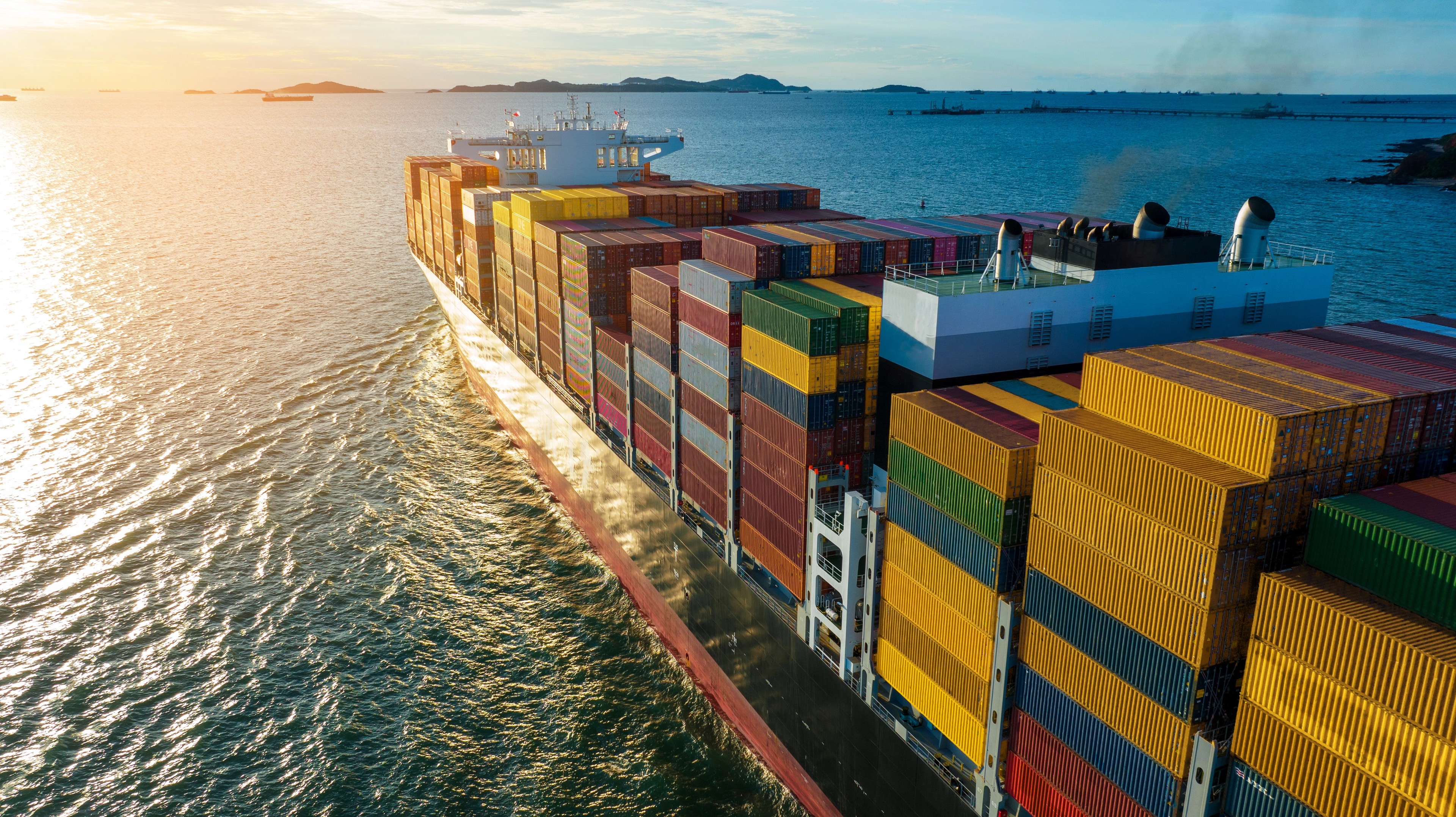
Customs Compliance That Supports Your Supply Chain
Managing customs requirements across international markets requires local knowledge, reliable processes and a clear understanding of how regulations affect your supply chain.
Woodland Group supports businesses with customs clearance, brokerage, consultancy and trade compliance services, helping importers and exporters navigate regulatory obligations across different jurisdictions.
From individual declarations to complex international customs programmes, our specialists work alongside our air, sea, road, rail and warehousing teams to coordinate documentation, customs procedures and the movement of goods.
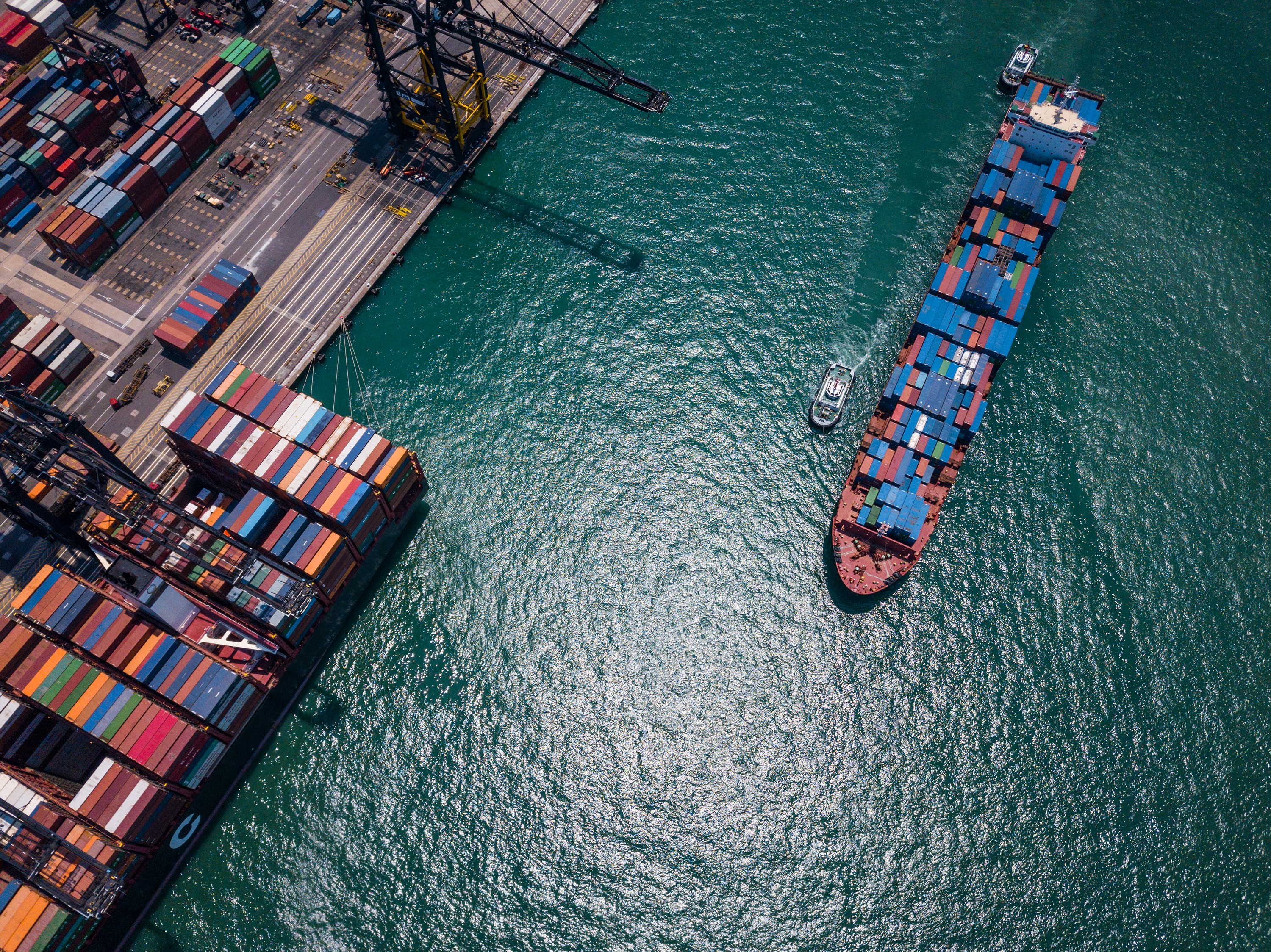
Accredited and trusted across the global sea freight network


Customs Services That Support International Trade
Every market has its own customs procedures, regulatory requirements and documentation standards. Woodland combines local customs expertise with international coordination, helping businesses manage their obligations across different countries and transport modes.
Our services cover the full customs process, from individual declarations and classification reviews to wider compliance management and strategic consultancy.

Customs Clearance & Brokerage
Woodland provides import and export customs clearance services across international trade lanes, combining our directly operated customs capabilities with experienced local teams and trusted partners.
Our in-house customs specialists manage declarations in the UK, Ireland and USA, while our wider network coordinates clearance requirements across other international markets.
By integrating customs brokerage with freight forwarding and distribution, we help businesses manage documentation, clearance and onward delivery through a more coordinated process.
Customs Compliance, Sorted.
Customs compliance is more than completing the correct paperwork. From classification and valuation to sanctions, documentation and regulatory obligations, understanding your responsibilities is essential to protecting your business.
Our Customs Compliance, Sorted. guide explains the fundamental principles of customs compliance, helping importers understand where risks arise and how to address them before they affect their supply chain.
Inside the guide
- The five universal principles of customs compliance
- Your responsibilities as an importer or exporter, and the role of your freight forwarder
- Essential customs requirements for the United Kingdom and United States
- Important regulatory developments affecting international trade
- A practical customs compliance checklist
- When to seek specialist customs support
Whether you're reviewing your existing processes or preparing to enter a new market, the guide provides a practical starting point for strengthening your approach to compliance.

Industry-Specific Customs Compliance
Different industries face distinct customs, tariff and regulatory requirements. From packaging legislation and carbon border measures to product classification, origin documentation and import controls, Woodland helps businesses understand and manage the requirements affecting their international supply chains.


Specialist Customs Support Beyond Clearance
Tariff Classification, Valuation & Origin
Accurate product classification, customs valuation and origin determination underpin compliant international trade.
Woodland reviews the information used in customs declarations, identifies potential inconsistencies and supports businesses in establishing appropriate classifications and supporting documentation.
With different tariff schedules, trade agreements and regulatory requirements applying across international markets, our specialists help businesses understand how classification and origin can affect their customs obligations.

Duty Relief, Suspension & Recovery
Different jurisdictions offer customs procedures that may reduce, defer or recover import duties.
Our specialists assess available options, including processing reliefs, customs warehousing, tariff suspensions and drawback arrangements, where these apply to the relevant country and trading model.
By reviewing classifications, import history and trading arrangements, we help businesses identify potential opportunities to manage duty exposure while maintaining compliance with applicable regulations.

Customs & Bonded Warehousing
Customs warehousing enables eligible imported goods to be stored under customs control before duties and taxes become payable, subject to local requirements.
Woodland combines customs expertise with its warehousing operations, including customs warehousing capabilities in the UK and mainland Europe, alongside bonded cargo facilities in the USA.
This allows businesses to consider customs requirements alongside inventory management, storage and onward distribution, with support for more complex international supply chains.

Export Controls, Sanctions & Screening
Importers and exporters must understand the restrictions and licensing requirements that apply to their products and trading relationships.
Export controls, sanctions and restricted-party screening can affect businesses trading across international markets, particularly where controlled goods, technologies or sensitive destinations are involved.
Woodland supports compliance reviews, export control assessments, sanctions screening and regulatory documentation, helping businesses identify potential risks before goods move.
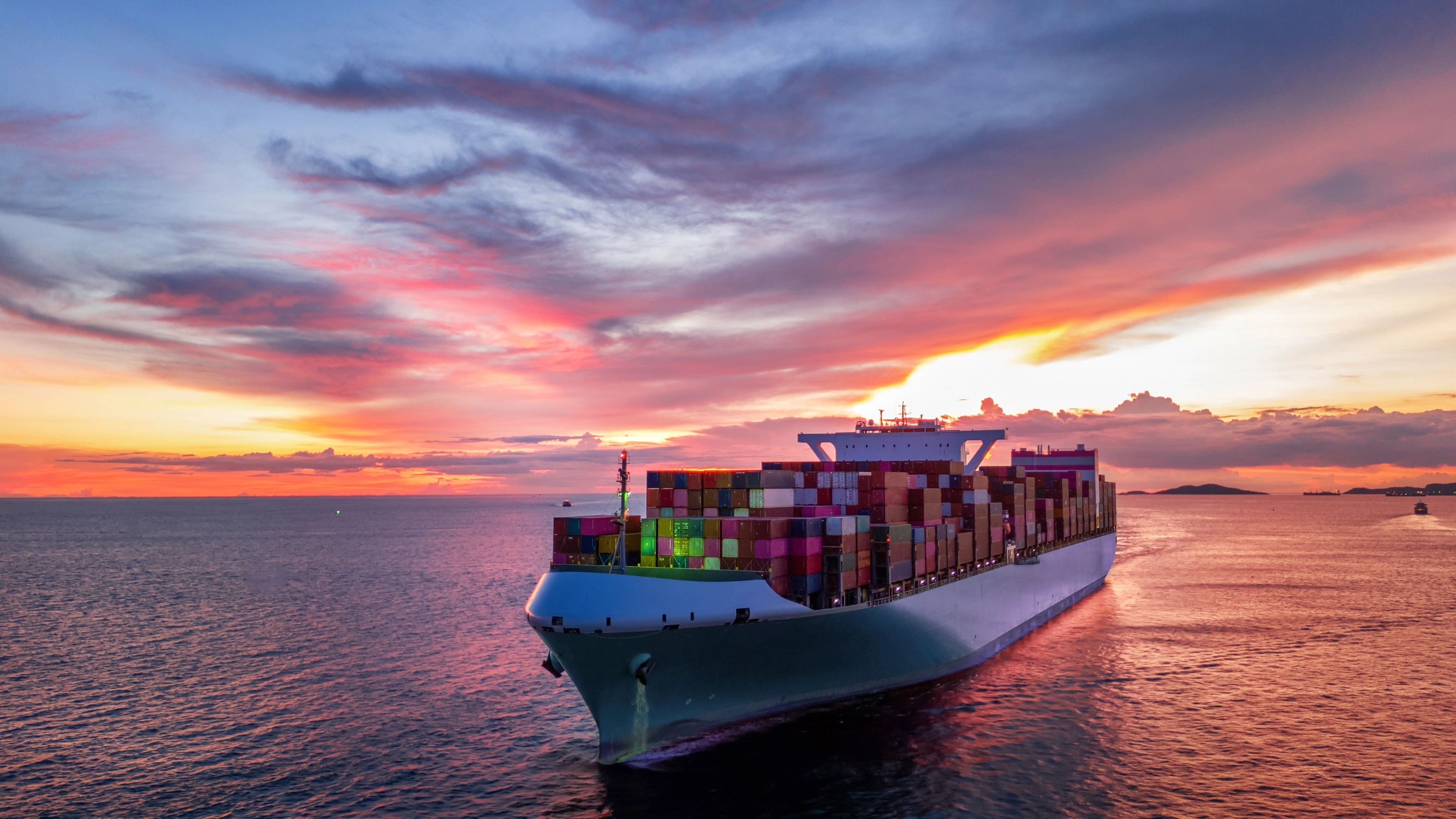
Audits, Training & Managed Compliance
Effective customs compliance depends on accurate data, documented procedures and clear responsibilities.
Our consultancy services include compliance health checks, classification reviews, audit preparation, staff training and support with customs authorisations.
For businesses seeking additional operational support, Woodland can also assist with developing and managing customs processes appropriate to their trading requirements.

Visibility & Reporting
Customs information is an important part of wider supply chain visibility.
Woodland works with businesses to improve access to relevant shipment and customs documentation, supported by our digital systems and integration capabilities.
Where appropriate, customs processes can be considered alongside wider freight management, reporting and systems integration requirements, helping businesses maintain a more connected view of their international operations.
Customs Expertise Across International Markets


UK & Ireland
Import and export sea freight services through major UK and Irish ports, supported by Woodland's established operations, customs expertise, warehousing and onward distribution capabilities. Our teams coordinate international FCL and LCL shipments across key trade routes.
UK Sea Freight

Europe
International sea freight services connecting major European ports with key markets worldwide. Woodland combines FCL and LCL shipping options with established European operations, customs expertise and inland distribution capabilities to support imports and exports across the region.
European Sea Freight

North America
International FCL and LCL sea freight services connecting North America with Europe, Asia and other major markets. Woodland's established US operations provide local expertise, customs brokerage, warehousing and onward distribution to support international supply chains.
USA Sea Freight

Asia Pacific
International sea freight services connecting Asia Pacific with the UK, Ireland, Europe and North America. With established operations in China and extensive carrier relationships, Woodland provides FCL and LCL shipping, consolidation services and access to key regional trade routes.
China Sea Freight
Trusted by importers and exporters
Beyond Sea Freight
Explore the latest developments shaping international trade and ocean freight, from changing shipping conditions and global trade routes to customs regulations, supply chain sustainability and wider logistics trends.

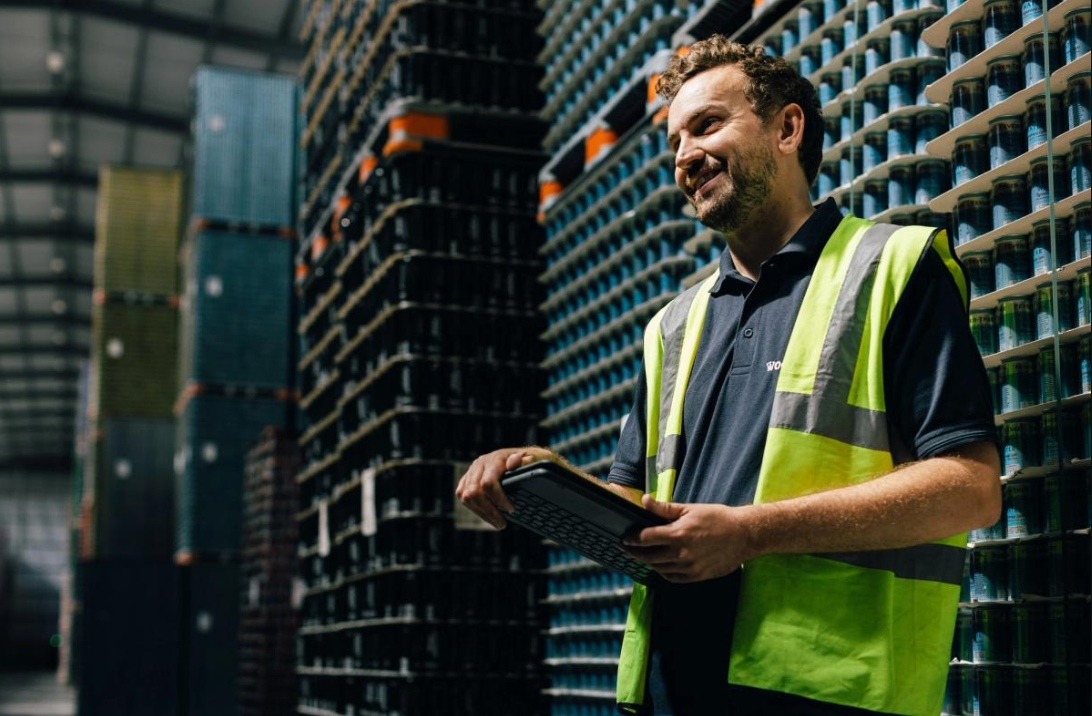

Sea Freight FAQs
What is sea freight?
Sea freight, also known as ocean freight, is the transportation of commercial cargo by sea between domestic or international ports. Cargo can move in a dedicated container as Full Container Load (FCL), share container space through Less than Container Load (LCL), or require specialist equipment for oversized and project shipments.
Sea freight is widely used by businesses moving larger volumes of goods across international supply chains where cost, capacity and inventory planning are key considerations.
What does an ocean freight forwarder do?
An ocean freight forwarder coordinates the movement of goods by sea between origin and destination. This can include selecting carriers and routes, arranging bookings, coordinating documentation and customs requirements, managing origin and destination handling, and arranging onward transport.
Woodland combines ocean freight forwarding with wider customs, warehousing and distribution capabilities, allowing multiple stages of an international shipment to be managed through one connected network.
What's the difference between sea freight and ocean freight?
Sea freight and ocean freight generally describe the same mode of transport: moving commercial cargo by ship.
Both terms cover services such as FCL, LCL, buyer consolidation and specialist ocean cargo. The terminology used can vary between markets and businesses, but there is no fundamental difference between the two modes.
What's the difference between FCL and LCL sea freight?
FCL gives one shipper use of a container for their cargo, while LCL combines compatible shipments from multiple businesses into the same container.
The right option depends on factors including shipment volume, frequency, cargo requirements, cost and required transit time. Woodland can assess both options against your requirements rather than assuming one approach will always be more economical.
What is buyer consolidation?
Buyer consolidation combines cargo from multiple suppliers at origin before it is shipped to destination.
Instead of each supplier arranging a separate international shipment, goods can be brought together according to an agreed consolidation plan. This can improve container utilisation, reduce shipment fragmentation and give the buyer greater control over the inbound supply chain.
How long does sea freight take?
Sea freight transit times vary significantly according to origin, destination, carrier, routing and whether the ocean freight service is direct or includes transhipment.
Sailing schedules can also change due to port congestion, adverse weather, operational disruption and changes across carrier networks. Woodland's teams assess available services when planning each shipment and provide current schedule information, while communicating changes where they occur.
Why can sea freight ETDs and ETAs change?
Estimated departure and arrival dates are affected by factors throughout the carrier network, including port congestion, adverse weather, operational disruption and changes to vessel routings.
Cargo readiness at origin is another important factor. If a supplier's Cargo Ready Date changes, the planned sailing may no longer be achievable. Accurate and early communication between suppliers, customers and freight teams therefore plays an important role in shipment planning.
Can Woodland handle dangerous goods by sea?
Woodland has experience handling regulated cargo, including lithium battery-powered and lithium battery-containing products.
Acceptance depends on the commodity, carrier and shipment requirements. Dangerous goods may require carrier pre-approval, specific rate filings and supporting documentation such as a current Material Safety Data Sheet (MSDS). Our teams work with customers and carriers to establish the applicable requirements before shipment.
Can Woodland handle oversized ocean freight?
Yes. Alongside containerised FCL and LCL sea freight, Woodland can support project and out-of-gauge cargo where shipments require specialist equipment, routing or handling.
Requirements are assessed around the individual cargo so the appropriate carrier, equipment and operational plan can be established.
Which ports does Woodland use for sea freight?
Woodland's sea freight network connects major ports across Asia, Europe, North America and other international trade lanes, working with multiple ocean carriers to provide flexible routing options.
Key gateways include Southampton, Felixstowe and London Gateway in the UK; Rotterdam and Hamburg in Europe; and New York/New Jersey, Los Angeles/Long Beach and Savannah in the USA.
The most appropriate port depends on the origin, destination, carrier service, cargo requirements and current operating conditions.
Does Woodland provide customs clearance and delivery?
Woodland combines international ocean freight with customs, warehousing and onward distribution capabilities, allowing multiple stages of the journey to be coordinated through one logistics partner.
For UK LCL imports in particular, Woodland's own warehouse facilities provide greater control over deconsolidation, customs processes, inventory management and onward distribution throughout the UK and Ireland.
Which sea freight services does Woodland provide?
Woodland's sea freight services include Full Container Load (FCL), Less than Container Load (LCL), buyer consolidation and project and out-of-gauge cargo.
These ocean freight services are supported by international carrier relationships and wider customs, warehousing and distribution capabilities, allowing the solution to be built around the requirements of the wider supply chain.
Talk to the sea freight team
Tell us where your cargo needs to move, what you're shipping and when you need it to arrive. Our sea freight specialists will assess the available carrier, service and routing options and build an international ocean freight solution around your requirements.

Talk to the sea freight team
Tell us where your cargo needs to move, what you're shipping and when you need it to arrive. Our sea freight specialists will assess the available carrier, service and routing options and build an international ocean freight solution around your requirements.

Andy Ball
Director, Woodland Group
Andy Ball has extensive experience in international sea freight, with particular expertise in Asia-Pacific trade lanes. He advises customers on ocean freight solutions, routing, consolidation and supply chain requirements, helping businesses manage their international shipping operations efficiently.


