Contact Us
Air freight chargeable weight calculator
Air freight charges are not always based on the actual weight of your shipment. Depending on the size and density of your cargo, airlines may instead calculate charges using its volumetric weight.
Use our air freight chargeable weight calculator to compare the actual and volumetric weight of your shipment and understand which will be used when calculating your air freight rate
Accredited and trusted across the global air freight network


Calculate your Chargeable weight
Air freight charges are not always based on the actual weight of your shipment. Depending on the size and density of your cargo, airlines may instead calculate charges using its volumetric weight. Use our air freight chargeable weight calculator to compare the actual and volumetric weight of your shipment and understand which will be used when calculating your air freight rate.
Ratio
Shipment measurements
Result
Chargeable weight
—
Enter your shipment to see the figure.
- Gross weight
- —
- Volumetric weight
- —
- Total volume
- —
- Pieces
- —
- Density
- —
- Revenue tonnes
- —
How is air freight chargeable weight calculated?
The calculation starts by establishing the volumetric weight of your shipment.
For air freight, this is commonly calculated using the dimensions of the cargo and an applicable volumetric divisor.
Volumetric weight formula
Length (cm) × Width (cm) × Height (cm) ÷ 6,000 = volumetric weight (kg)
The resulting volumetric weight is then compared with the shipment's actual gross weight.
If actual weight is greater:
The actual weight is normally the chargeable weight.
If volumetric weight is greater:
The volumetric weight is normally the chargeable weight.
The applicable calculation can vary depending on the carrier, service and shipment, so the final chargeable weight should always be confirmed as part of the booking process.
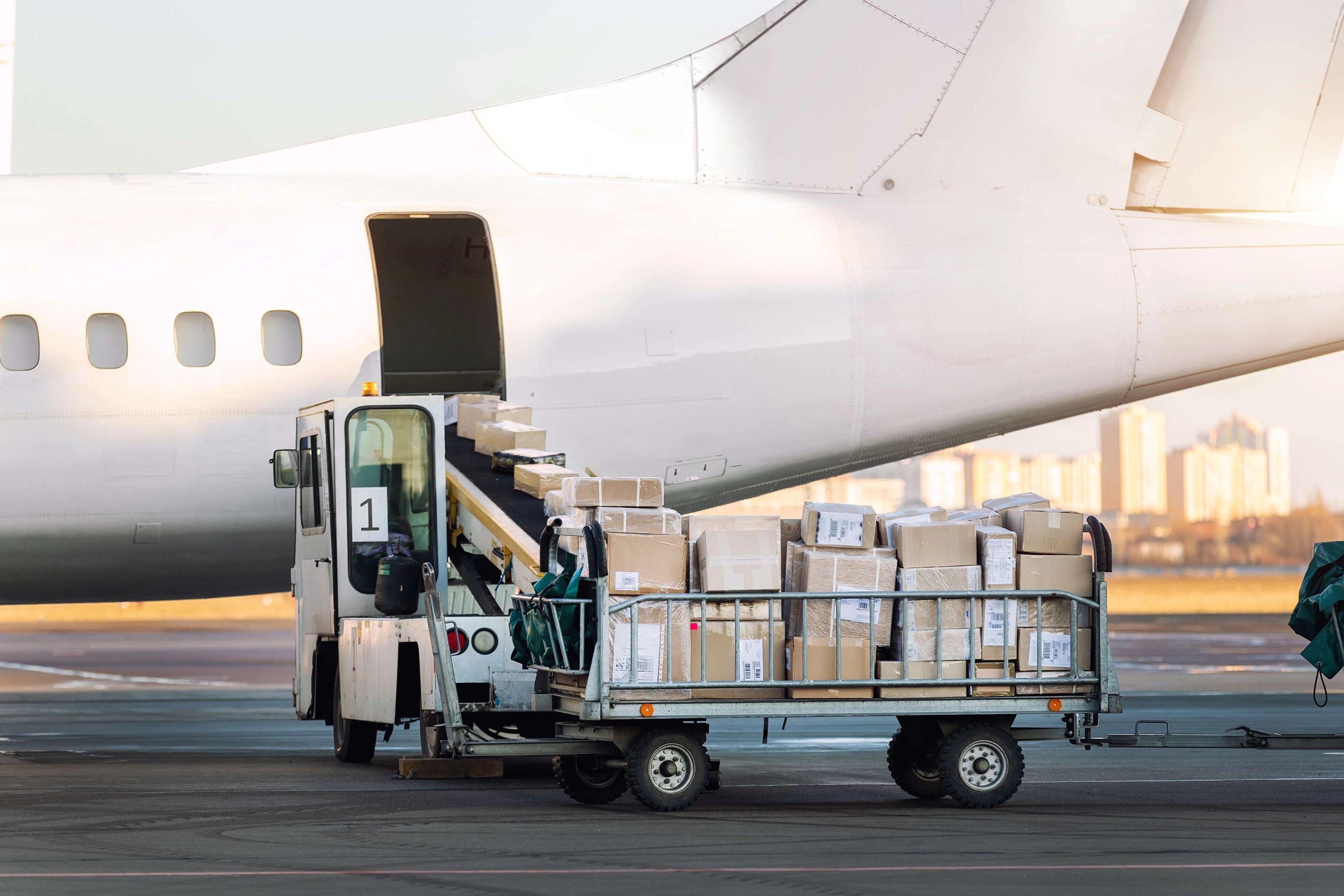
Actual weight vs volumetric weight
Understanding the difference between actual and volumetric weight is important when estimating air freight costs, as airlines consider both the physical weight of a shipment and the amount of space it occupies within an aircraft. A shipment may be relatively light but take up significant cargo space due to its dimensions, meaning its volumetric weight can be higher than its actual weight.
Air freight charges are therefore typically calculated using the greater of the two figures, known as the chargeable weight. Knowing how each is calculated can help you estimate freight costs more accurately and understand how the size and packaging of your shipment may affect the final rate.

Actual weight
Actual weight is the physical gross weight of your shipment, including the goods themselves together with any cartons, pallets, crates or other packaging used for transport.
A compact shipment containing dense or heavy products may have a relatively high actual weight while occupying comparatively little space within the aircraft. In these cases, the actual weight is more likely to determine the chargeable weight used to calculate the air freight cost.
Actual weight
Actual weight is the physical gross weight of your shipment, including the goods themselves together with any cartons, pallets, crates or other packaging used for transport.
A compact shipment containing dense or heavy products may have a relatively high actual weight while occupying comparatively little space within the aircraft. In these cases, the actual weight is more likely to determine the chargeable weight used to calculate the air freight cost.
Understanding what affects your air freight cost
Why does volumetric weight matter in air freight?
Aircraft capacity is constrained by both weight and space.
If freight were charged solely according to its physical weight, a large but lightweight shipment could occupy a significant proportion of an aircraft's available cargo space while attracting a relatively small freight charge.
Volumetric weight provides a way of accounting for the space a shipment occupies as well as how much it physically weighs.
This is why two shipments weighing exactly the same amount can have very different chargeable weights - and potentially very different air freight costs.

Can packaging reduce your chargeable weight?
Sometimes.
Where volumetric weight is higher than actual weight, reducing unnecessary packaging or unused space can lower the shipment's dimensions and therefore its calculated volumetric weight.
For businesses moving air freight regularly, relatively small improvements in packaging efficiency can become significant across multiple shipments.
However, packaging should never be reduced at the expense of cargo protection, handling requirements or regulatory compliance.
Our air freight teams can help customers assess shipment profiles and identify the most appropriate service and routing based on cargo dimensions, weight, urgency and handling requirements.

From chargeable weight to your air freight quote
Chargeable weight is an important part of calculating an air freight rate, but it isn't the only factor affecting the final cost. Rates can also be influenced by:
Origin and destination
Different gateways, routes and markets have different capacity and pricing conditions.
Service level
Express, direct and consolidated services can carry different rate and transit-time considerations.
Cargo type
Dangerous goods, temperature-controlled shipments and other specialist cargo may require additional handling or documentation.
Available capacity
Air freight pricing can change according to airline capacity and demand on a particular route.
Additional services
Collection, delivery, customs clearance, screening, storage and other requirements can contribute to the overall shipment cost.
Woodland Group combines international air freight services with customs, road transport, warehousing and digital shipment visibility to support cargo from origin through to final delivery.

International air freight with Woodland Group
Woodland Group supports businesses moving air freight across major international markets, combining flexible routing options with local customs, transport and logistics expertise.
Our teams support everything from regular consolidated freight to urgent and specialist shipments, including dangerous goods and temperature-controlled cargo.
Customers can also access shipment milestones, documentation, reporting and emissions data through Woodland Online, helping provide visibility throughout the shipment lifecycle.
Whether you already know your chargeable weight or need help establishing the most appropriate way to move your cargo, our air freight specialists can help.

Air freight expertise across key global regions


UK
Import and export air freight through major UK gateways, connecting businesses with Europe, North America, Asia and wider global markets.
View lane

Europe
Frequent air freight connections across mainland Europe and Ireland, with onward access to key international trade lanes.
View lane

North America
Express, deferred and specialist air freight connecting North America with the UK, Europe, Asia and wider international markets, supported by Woodland’s established US operations.
View lane

Asia
Air freight connections across Asia, supporting established sourcing and manufacturing markets including China, India, Vietnam and Taiwan. Explore our China services as one of Woodland’s key Asian trade lanes.
View lane
Air freight insights and practical guidance



Explore our air freight service brochure
Download our air freight brochure to see how we move air cargo: service levels, lanes and gateways, specialist handling, and the reporting that comes with it.
- Every air freight service level, compared
- Our lanes, gateways and accreditations
- A worked chargeable weight example
If you're ready to discuss your air freight needs, get a quote below or reach out to one of our specialists to get a detailed breakdown of how Woodland can support your business.

Common questions about chargeable weight: FAQs
What is chargeable weight in air freight?
Chargeable weight is the weight used to calculate an air freight charge. The shipment's actual gross weight is compared with its calculated volumetric weight, with the higher applicable figure normally becoming the chargeable weight.
What is volumetric weight?
Volumetric weight is a calculated weight based on the amount of space a shipment occupies rather than simply how much it physically weighs. It allows airlines to account for large, lightweight cargo that consumes significant aircraft capacity.
How do I calculate volumetric weight for air freight?
A commonly used calculation is: Length (cm) × Width (cm) × Height (cm) ÷ 6,000
For example, a carton measuring 100 × 80 × 60 cm would have a calculated volumetric weight of: 100 × 80 × 60 ÷ 6,000 = 80 kg
If the carton physically weighed 50 kg, its volumetric weight would be higher and would normally form the basis of its chargeable weight.
Why is 6,000 used to calculate air freight volumetric weight?
The divisor converts the cubic dimensions of a shipment into an equivalent volumetric weight for air freight rating purposes. While 6,000 is commonly used, the applicable factor can vary by carrier or service, so it should be confirmed when obtaining a freight rate.
What happens if my actual weight is higher than my volumetric weight?
Where actual gross weight exceeds the applicable volumetric weight, the actual weight will normally become the chargeable weight.
What happens if my volumetric weight is higher?
Where the applicable volumetric weight exceeds the shipment's actual gross weight, the volumetric weight will normally become the chargeable weight.
How do I calculate chargeable weight for multiple boxes?
Calculate the applicable volumetric weight using the dimensions and quantity of the packages in your shipment and compare the total with the shipment's actual gross weight. Our calculator can help you calculate shipments containing multiple packages.
Does chargeable weight determine my entire air freight cost?
No. Chargeable weight is an important part of calculating an air freight rate, but routing, origin and destination, service level, capacity, cargo type, screening, customs and collection or delivery requirements can also affect the final cost.
Can I reduce my air freight chargeable weight?
Potentially. If your shipment is being charged according to volumetric rather than actual weight, reducing unnecessary packaging or unused space may reduce its volumetric weight. Packaging must still provide suitable protection and meet any applicable handling or regulatory requirements.
Is volumetric weight calculated differently for air and road freight?
It can be. Different modes, carriers and services may use different volumetric conversion factors. A calculation used for air freight should therefore not automatically be applied to road, courier or other transport services.
Can Woodland Group provide a quote once I know my chargeable weight?
Yes. Provide us with your shipment details, origin, destination and requirements and our air freight teams can assess appropriate routing and service options and provide a freight quote.
Need an air freight quote?
Once you know your chargeable weight, our air freight teams can help you compare available services, routings and transit times for your shipment.


Need an air freight quote?
Once you know your chargeable weight, our air freight teams can help you compare available services, routings and transit times for your shipment.


