Contact Us
US customs brokerage & compliance services
Woodland Group provides licensed US customs brokerage, clearance and trade compliance services, helping businesses navigate import regulations, manage duty exposure and move goods efficiently across international borders.
Our US customs specialists combine U.S. Customs and Border Protection (CBP) expertise with bonded cargo facilities and an established global freight network, supporting businesses from customs entry through to onward distribution.
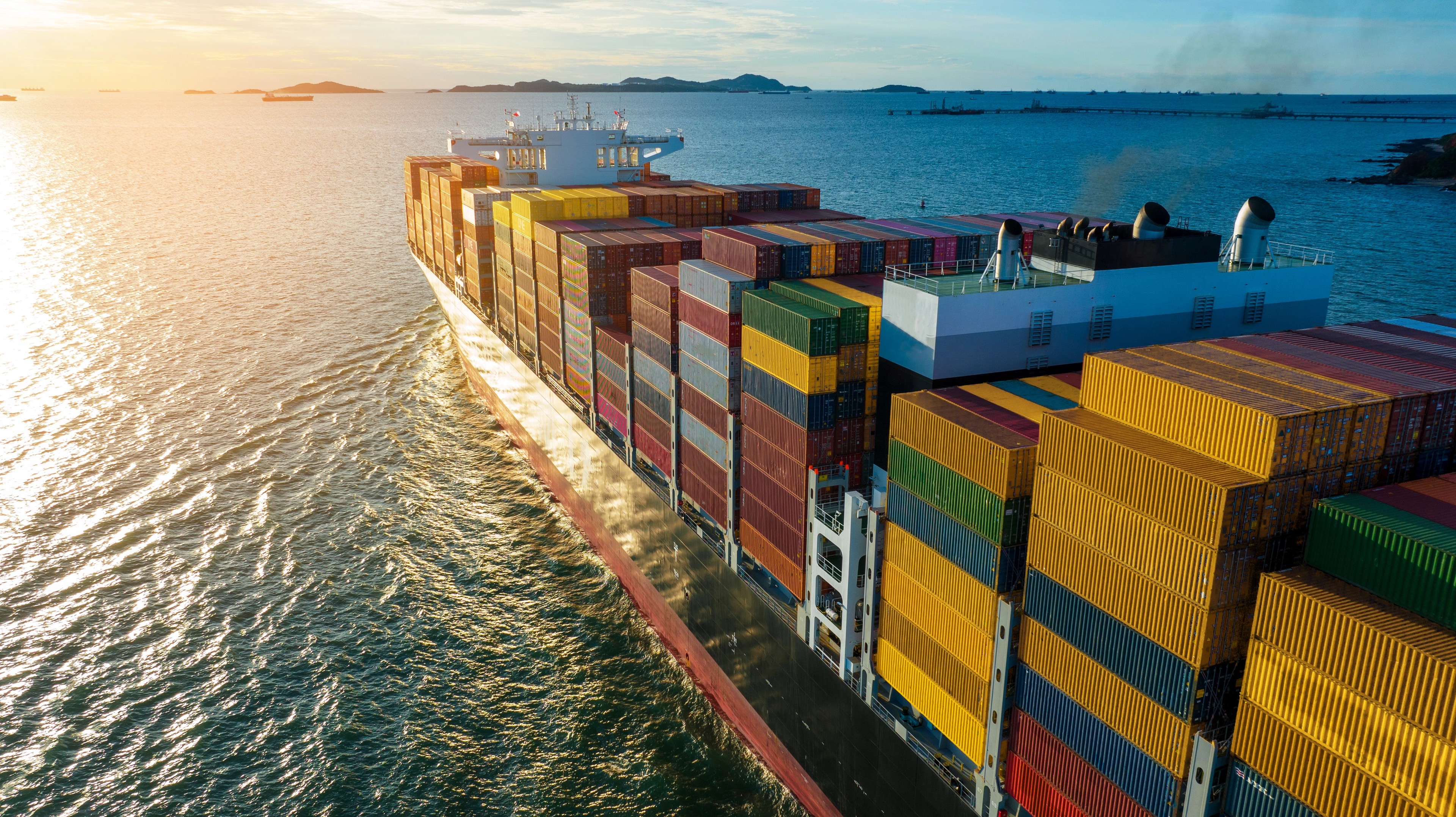
US Customs Expertise That Supports Your Supply Chain
Importing into the United States requires accurate customs entries, reliable documentation and a clear understanding of the regulations governing your products. Changes to tariffs, security requirements and government agency controls can create additional complexity for international supply chains.
Woodland Group supports US importers and exporters through CBP-licensed customs brokerage, regulatory consultancy, tariff classification, duty management and export compliance services.
Our customs teams work alongside our international air and ocean freight, bonded CFS warehousing and distribution operations, helping businesses coordinate customs procedures with the physical movement of goods.
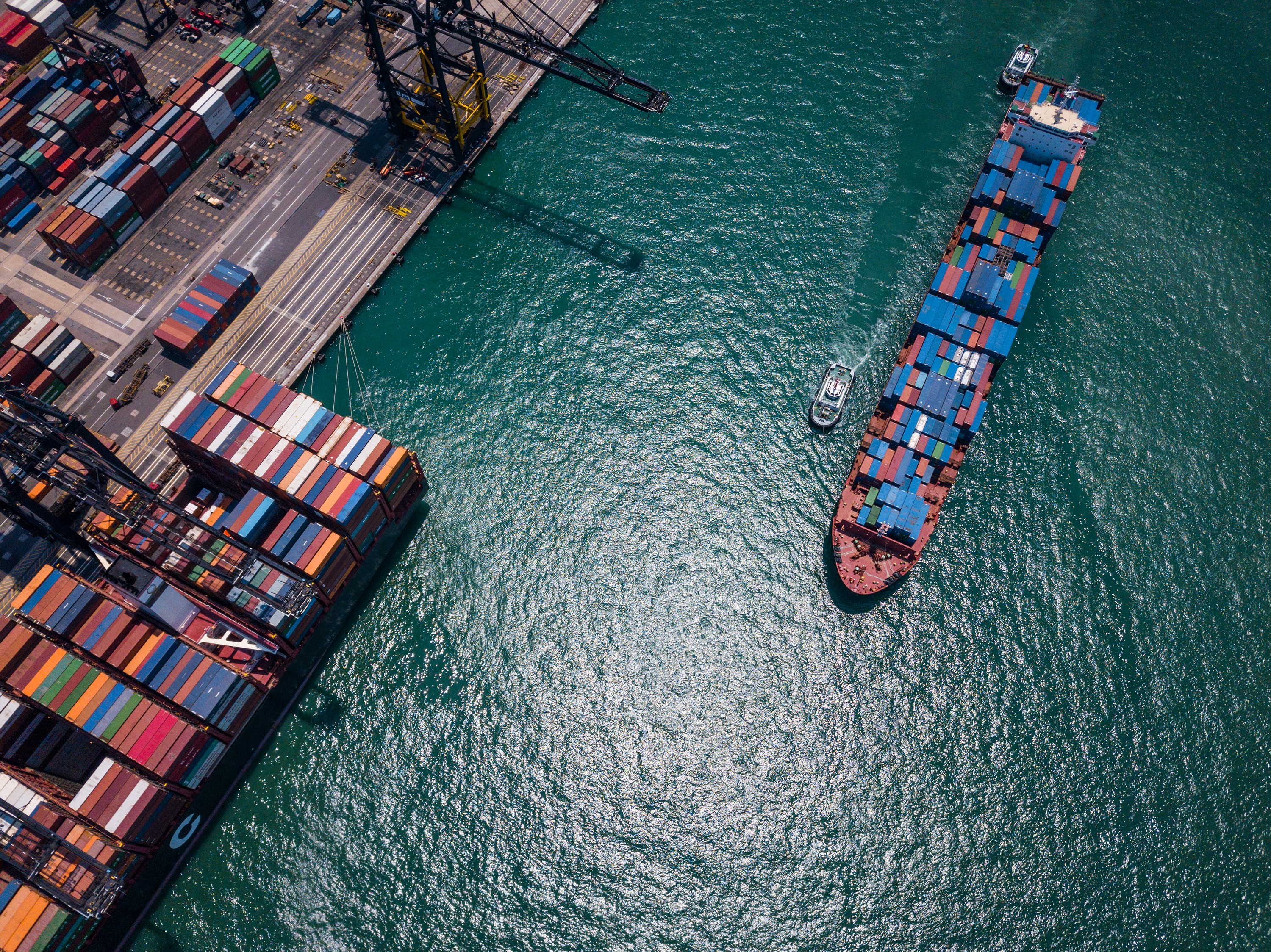
Accredited and trusted where it matters


Customs Services That Support US Trade
US customs requirements extend beyond the completion of individual declarations. Tariff classification, duty management, cargo security and import and export controls all influence the cost, reliability and compliance of international trade.
Woodland combines licensed customs brokerage with specialist consulting and integrated logistics services, helping businesses manage immediate clearance requirements alongside longer-term regulatory responsibilities.

US Customs Clearance & Brokerage
Our CBP-licensed customs brokerage specialists support the preparation and submission of US import entries, helping businesses manage documentation, Harmonized Tariff Schedule (HTSUS) classification, customs valuation, duty requirements and applicable government agency regulations.
By integrating customs brokerage with international freight and inland distribution, we help identify potential clearance issues earlier and coordinate the movement of cargo through US ports and airports.
US customs compliance, sorted.
Woodland Group's Customs Compliance, Sorted. guide provides practical advice for importers and exporters, helping businesses understand common compliance risks, review their existing processes and recognise when specialist support may be required.
Inside the Guide
- The five universal principles of customs compliance
- Importer and exporter responsibilities, including CBP requirements
- Tariff classification, valuation and origin considerations
- Export controls, sanctions and restricted-party screening
- Key considerations for US import and export operations
- Practical checklists and guidance on identifying compliance risks

Specialist US customs support beyond clearance
HTS classification, valuation & origin
Accurate Harmonized Tariff Schedule (HTSUS) classification underpins compliant US import declarations and helps determine the duties and regulatory requirements that apply to imported merchandise.
Woodland reviews product information, classifications, customs valuation and country-of-origin evidence to identify potential inconsistencies and support more accurate declarations.
Our specialists can also advise on binding ruling applications and relevant tariff considerations, helping businesses establish greater consistency across their import operations.

Duty drawback & import cost recovery
US duty drawback arrangements may allow eligible businesses to recover up to 99% of certain duties, taxes and fees paid on qualifying imported merchandise that is subsequently exported or destroyed, subject to the applicable rules.
Woodland's duty drawback specialists review import and export activity, supporting records and potential eligibility to identify opportunities for recovery.
We help businesses assess the requirements of a drawback claim and consider how duty recovery may fit within their wider import and export operations.

Bonded CFS warehousing & cargo release
Customs-bonded Container Freight Stations (CFS) provide controlled facilities for receiving, handling and temporarily holding imported cargo under CBP supervision.
Woodland's bonded CFS facilities in New Jersey and Chicago support cargo handling, deconsolidation, short-term storage and coordination with customs clearance and onward distribution.
By combining cargo facilities with customs brokerage and freight forwarding, our teams help businesses manage the stages between cargo arrival, customs release and final delivery.

CTPAT & supply chain security
The Customs Trade Partnership Against Terrorism (CTPAT) is a voluntary CBP programme designed to strengthen security across international supply chains.
Woodland participates in CTPAT and supports businesses with security assessments, gap analysis, application preparation and guidance on relevant programme requirements.
Our specialists help customers review existing procedures, identify potential vulnerabilities and develop appropriate security controls for their international trading operations.

Export controls, EAR & ITAR
US export controls can apply to commercial goods, dual-use items, software, technologies and defence-related products, with regulatory requirements depending on the nature of the item, destination, end user and intended use.
Woodland supports businesses in understanding requirements under EAR and ITAR, including classification considerations, licensing assessments and relevant documentation.
Our consultancy services also extend to US-controlled goods and technologies moving between overseas markets, where re-export controls may continue to apply.

Sanctions screening, audits & regulatory consultancy
US trade compliance includes obligations relating to restricted parties, sanctions, import documentation, government agency controls and recordkeeping.
Woodland supports compliance reviews, denied-party screening, risk assessments, audit preparation and internal process development.
Our specialists help businesses identify potential gaps, improve the quality of customs information and maintain procedures appropriate to their import and export activities.

Industry-specific customs compliance
Different industries face distinct customs, tariff and regulatory requirements. From packaging legislation and carbon border measures to product classification, origin documentation and import controls, Woodland helps businesses understand and manage the requirements affecting their international supply chains.


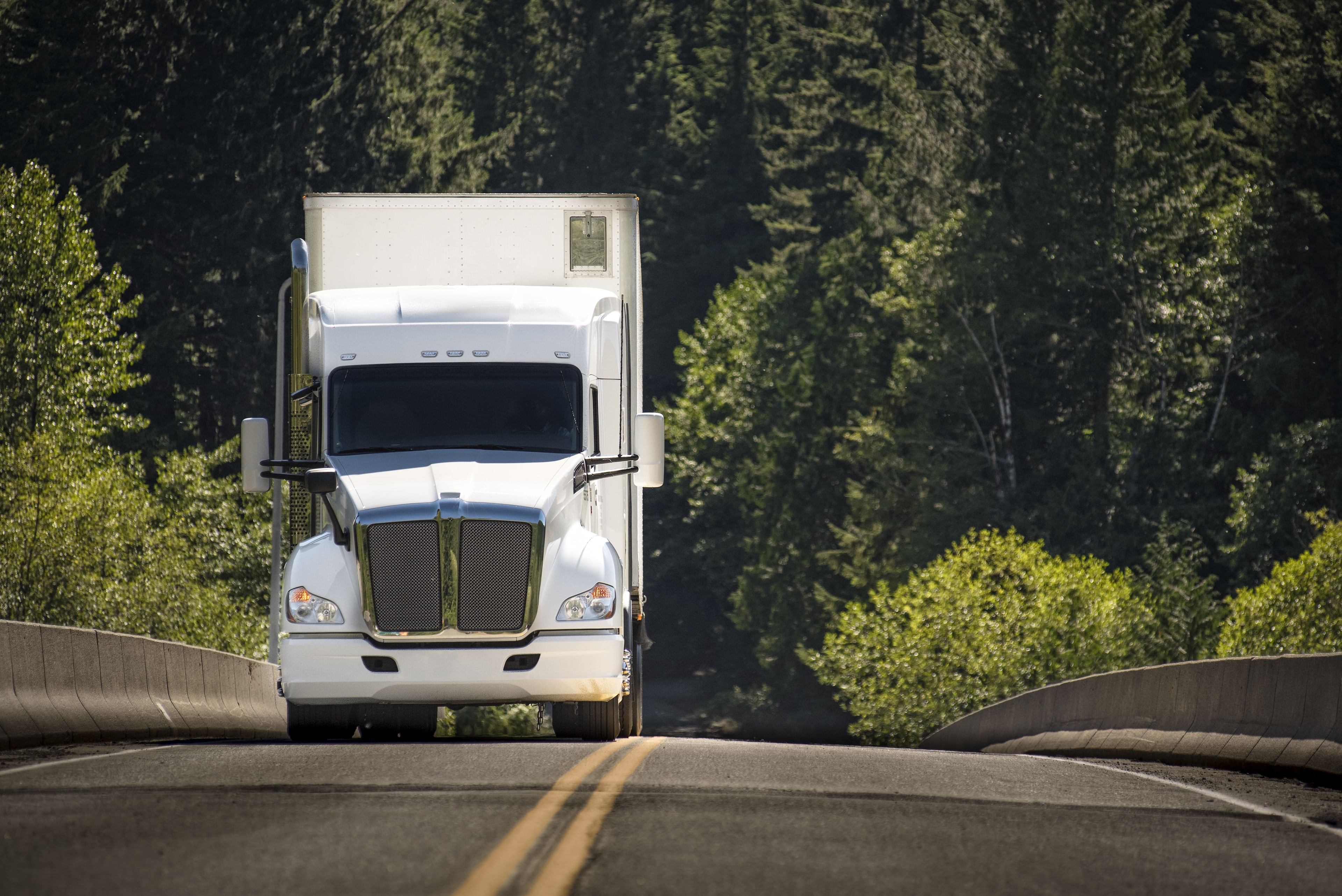
US customs expertise with a worldwide reach
For US importers and exporters, managing international trade means understanding how domestic regulations interact with the requirements of overseas markets.
Woodland connects its US customs brokerage and trade compliance capabilities with an established international logistics network, including our operations in the UK, Ireland, mainland Europe and Asia.
Our teams coordinate customs documentation, regulatory considerations and cargo movements across international trade lanes, supporting businesses from origin through to arrival in the United States or onward export.
Whether importing goods from China and wider Asia, sourcing products from Europe or managing exports to international destinations, we combine local customs knowledge with wider freight and supply chain expertise.
This includes coordination with Woodland's international air freight, sea freight, road transport and warehousing operations, providing businesses with a more connected approach to cross-border logistics.
Related services:
Trusted by importers and exporters
Guidance for US Importers and Exporters
Changes to US tariffs, customs procedures, trade policy and import regulations can affect businesses operating across international markets.
Explore Woodland Group's customs guides, regulatory updates and specialist insights to understand key requirements, identify potential risks and stay informed about developments affecting US trade.




US customs brokerage & compliance FAQs
Do I need a licensed customs broker to import goods into the USA?
Importers are not always legally required to appoint a customs broker, but a CBP-licensed broker can help manage the complex requirements involved in importing goods into the United States.
Woodland's licensed customs brokerage specialists support import entry preparation, tariff classification, documentation and regulatory requirements. Importers remain responsible for exercising reasonable care over their customs declarations.
What does a US customs broker do?
A US customs broker acts on behalf of importers to facilitate customs business with CBP. This can include preparing and submitting entry information, coordinating customs documentation and helping determine applicable duties and regulatory requirements.
Woodland combines these services with international freight forwarding, warehousing and onward distribution.
What documents are required for US customs clearance?
Common documentation includes commercial invoices, packing lists, transport documents, product descriptions, HTS classifications, country-of-origin information and importer details.
Additional information, licences or certificates may be needed depending on the product, mode of transport and applicable government agency requirements.
What is an Importer Security Filing (ISF)?
An Importer Security Filing, commonly known as ISF or 10+2, is a US customs security requirement that generally applies to cargo arriving by ocean vessel.
Relevant importers must ensure the required information is submitted to CBP within the applicable deadlines. Woodland can help coordinate ISF requirements alongside ocean freight and customs brokerage arrangements.
How are US import duties calculated?
Import duties depend on factors including HTSUS classification, customs value, country of origin and applicable trade measures.
Additional duties, fees and product-specific requirements may also apply. Woodland helps businesses review classifications and customs information to understand relevant duty exposure.
What customs fees apply when importing into the USA?
Depending on the shipment, import costs may include customs duties, brokerage charges, the Merchandise Processing Fee, Harbor Maintenance Fee and other applicable government charges.
Rates and thresholds can change, so the appropriate charges should be confirmed against current CBP requirements and the nature of the shipment.
Can businesses recover US import duties through drawback?
Certain businesses may qualify for US duty drawback where imported merchandise is subsequently exported or destroyed under the relevant programme requirements.
Eligible claims can allow recovery of up to 99% of certain duties, taxes and fees. Woodland's specialists can help assess eligibility, import and export records and potential recovery opportunities.
What is CTPAT and how can Woodland help?
The Customs Trade Partnership Against Terrorism (CTPAT) is a voluntary supply chain security programme administered by CBP.
Woodland participates in CTPAT and provides support with security assessments, gap analysis and application preparation, helping eligible businesses understand and address relevant programme requirements.
Does Woodland offer customs-bonded warehousing in the USA?
Yes. Woodland operates bonded Container Freight Station facilities in New Jersey and Chicago, supporting cargo handling, temporary storage and coordination with customs clearance.
Our facilities can be integrated with freight forwarding and onward distribution, allowing imported cargo to move through different stages of the supply chain in a coordinated manner.
Can US export regulations apply to goods shipped between other countries?
Yes. Certain goods, software and technologies can remain subject to US export controls even when they are located outside the United States.
Requirements depend on the applicable regulations, classification, parties involved, destination and intended end use. Woodland's trade compliance specialists can support businesses reviewing potential EAR and ITAR obligations.
Can Woodland handle both US customs clearance and delivery?
Yes. Woodland combines US customs brokerage with international air and ocean freight, warehousing and inland distribution capabilities.
Our teams can coordinate the customs process alongside cargo handling and onward transport, helping businesses manage the movement of goods through US ports, airports and distribution networks.
Talk to Our US Compliance Team
Speak to our specialists about CBP-licensed customs brokerage, duty drawback, bonded CFS warehousing, regulatory consultancy or wider international freight support.

Talk to Our US Compliance Team
Speak to our specialists about CBP-licensed customs brokerage, duty drawback, bonded CFS warehousing, regulatory consultancy or wider international freight support.

Emily Cori
Global Trade Compliance Manager, Woodland Group
Emily leads Woodland Group's global trade compliance strategy, specialising in export controls, sanctions, tariffs and regulatory risk management. She supports businesses in navigating complex international trade regulations, ensuring compliance while enabling efficient cross-border operations.


