Contact Us
International sea freight services built around your supply chain.
Woodland Group is an international ocean freight forwarder providing flexible sea freight services across major global trade lanes. From full container loads and weekly LCL consolidations to buyer consolidation, project cargo and specialist shipments, our teams coordinate your freight from origin through to final delivery.
Our ocean freight services combine access to major carriers with local expertise, customs support, warehousing and onward distribution. With the flexibility to assess different carriers, ports and routes, we build each solution around your priorities, balancing cost, transit time, capacity and reliability.
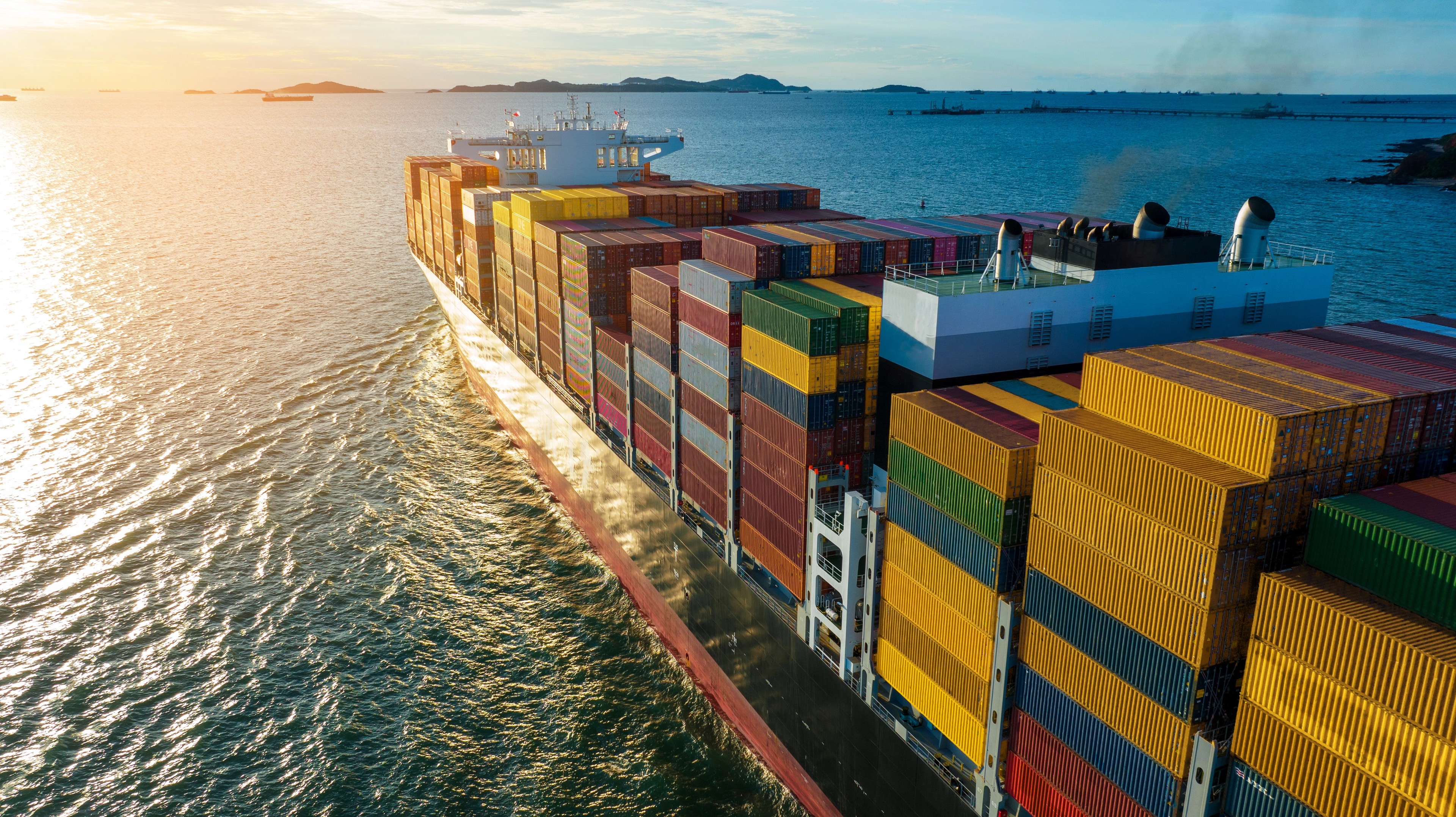
Connected expertise across global ocean freight
Sea freight is about more than booking a container onto a vessel. Carrier capacity, port selection, sailing schedules, customs requirements, inland transport and destination handling all affect when your cargo arrives and what it ultimately costs.
As an independent ocean freight forwarder, Woodland combines international carrier relationships with local teams, trusted origin partners, customs expertise, warehousing and onward distribution. Rather than being tied to one carrier or routing, we can assess the options available and build a solution around your cargo and wider supply chain requirements.
From regular FCL and LCL sea freight to buyer consolidation and more complex project cargo, our teams coordinate each stage as one connected service.
Global coverage - Sea freight connections across major international ports and trade lanes
Carrier flexibility - Access to major ocean carriers and multiple routing options
One connected network - From origin and customs through to warehousing and final delivery
Flexible services - FCL, LCL, buyer consolidation and project cargo
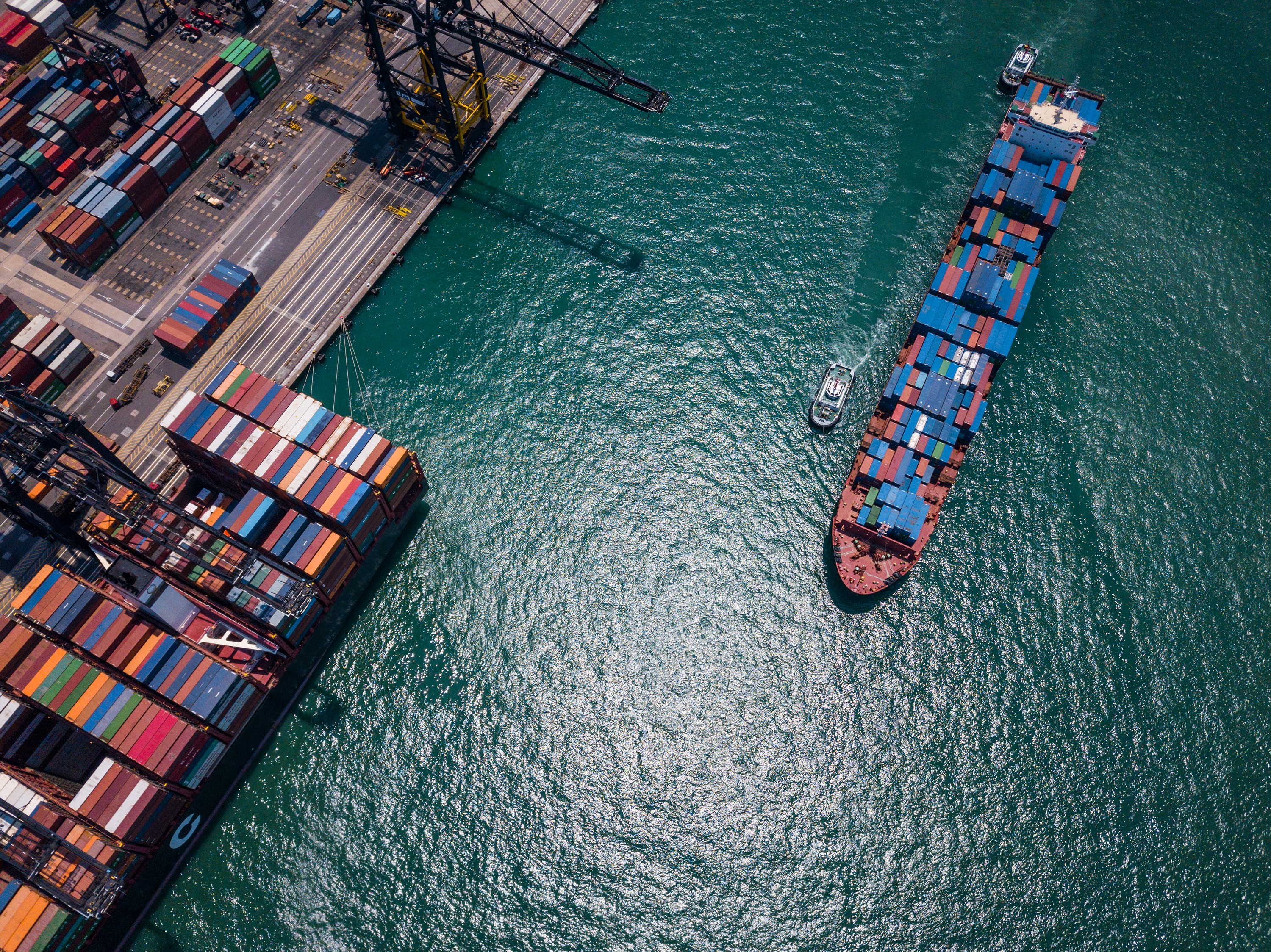
Accredited and trusted across the global sea freight network


Flexible sea freight services for every shipment
Different shipments need different approaches. Volume, frequency, cargo type, required arrival date and inventory strategy can all determine the right sea freight service.
Our teams help customers select the right combination of ocean freight service, carrier and routing rather than applying the same solution to every shipment.

Full Container Load (FCL)
For larger shipments, FCL gives you dedicated container capacity from origin to destination. Woodland manages international FCL sea freight across major trade lanes, working with multiple ocean carriers to balance availability, transit time, reliability and cost.
Our carrier relationships also give us greater flexibility when capacity tightens or individual services are disrupted. Where alternative sailings or gateways are available, our teams can assess the options and adapt routing around your requirements.
Explore our sea freight services
Download our sea freight brochure for a closer look at Woodland's international ocean freight capabilities, from FCL and LCL to specialist cargo, customs, warehousing and supply chain visibility.
- Compare our core sea freight services
- Explore our global trade lane capabilities
- Understand how Woodland supports your cargo beyond the port
If you're ready to discuss your sea freight requirements, get a quote below or reach out to one of our specialists to get a detailed breakdown of how Woodland can support your business.

Get your sea freight quote
Tell us where your shipment is moving, along with its weight, dimensions and service requirements. Our team will review the details and provide a tailored sea freight quotation, including suitable routing options and estimated transit times.
iBusiness shipments onlyWoodland Group is a B2B logistics provider. We do not handle personal effects, household removals or individual parcels.
Origin, destination and terms
Fields marked * are required.
Select more than one if you would like options compared, for example door to door alongside port to port.
Quote request
Not yet started
OriginNot set
DestinationNot set
TermsNot set
ShippingNot set
HazardousNot set
Pieces—
Gross weight—
Volume—
Sea freight shaped around your cargo
Different industries place very different demands on ocean freight. From high-volume consumer goods and seasonal inventory to regulated and specialist cargo, Woodland combines international sea freight expertise with sector-specific supply chain support.


Built for more complex ocean freight requirements
Specialist & regulated cargo
We move a broad range of consumer and industrial goods, including furniture, books, lighting, food packaging, bathroom and plumbing products, alongside general and specialist cargo.
Our experience also includes regulated commodities such as lithium battery-powered and lithium battery-containing goods. Where dangerous goods requirements apply, our teams work closely with carriers to manage the necessary approvals, rate filings and supporting documentation before shipment.

Customs & compliance
International sea freight comes with customs, documentation and commodity-specific requirements that need to be considered alongside the physical movement of cargo.
Woodland's teams support customers with the customs processes surrounding their shipments, helping connect freight movement and clearance rather than treating them as separate parts of the supply chain.
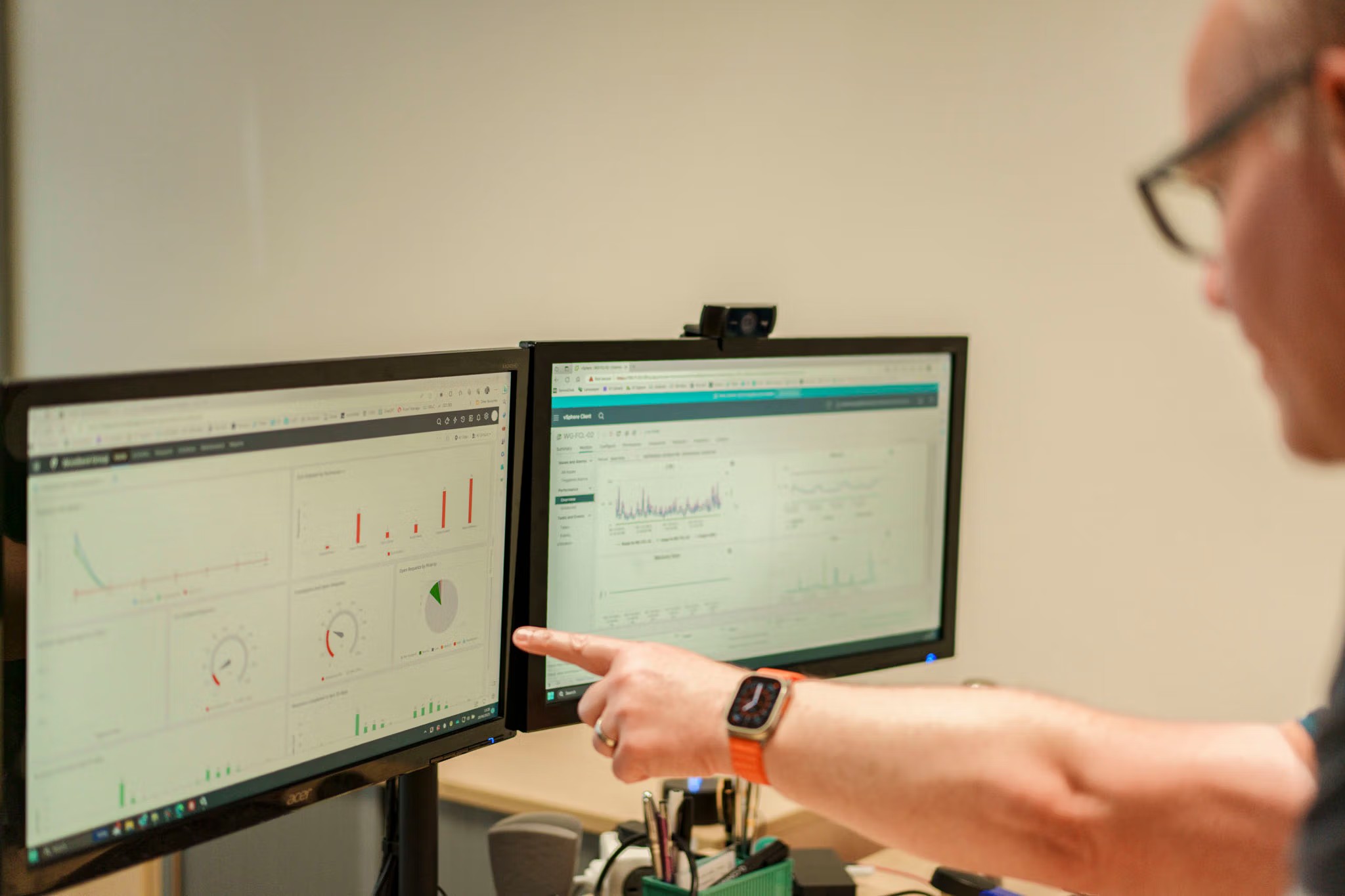
Supply chain resilience
Ocean freight rarely operates in a completely predictable environment. Capacity constraints, port congestion, weather, industrial action, carrier network changes and wider disruption can all affect sailing schedules and available routes.
Working across multiple carriers and gateways gives our teams more options when circumstances change. Rather than being restricted to one shipping line or alliance, we can assess available ocean freight services against your priorities and adapt routing where appropriate.

Sustainability in sea freight
Understanding the environmental impact of international freight starts with having clear, usable data. Woodland supports customers with emissions visibility across their supply chains, helping businesses understand the impact of how and where their goods move.
Our wider sustainability expertise can also support customers looking at consolidation, supply chain design and other opportunities to make freight movements more efficient while maintaining the service their business requires.
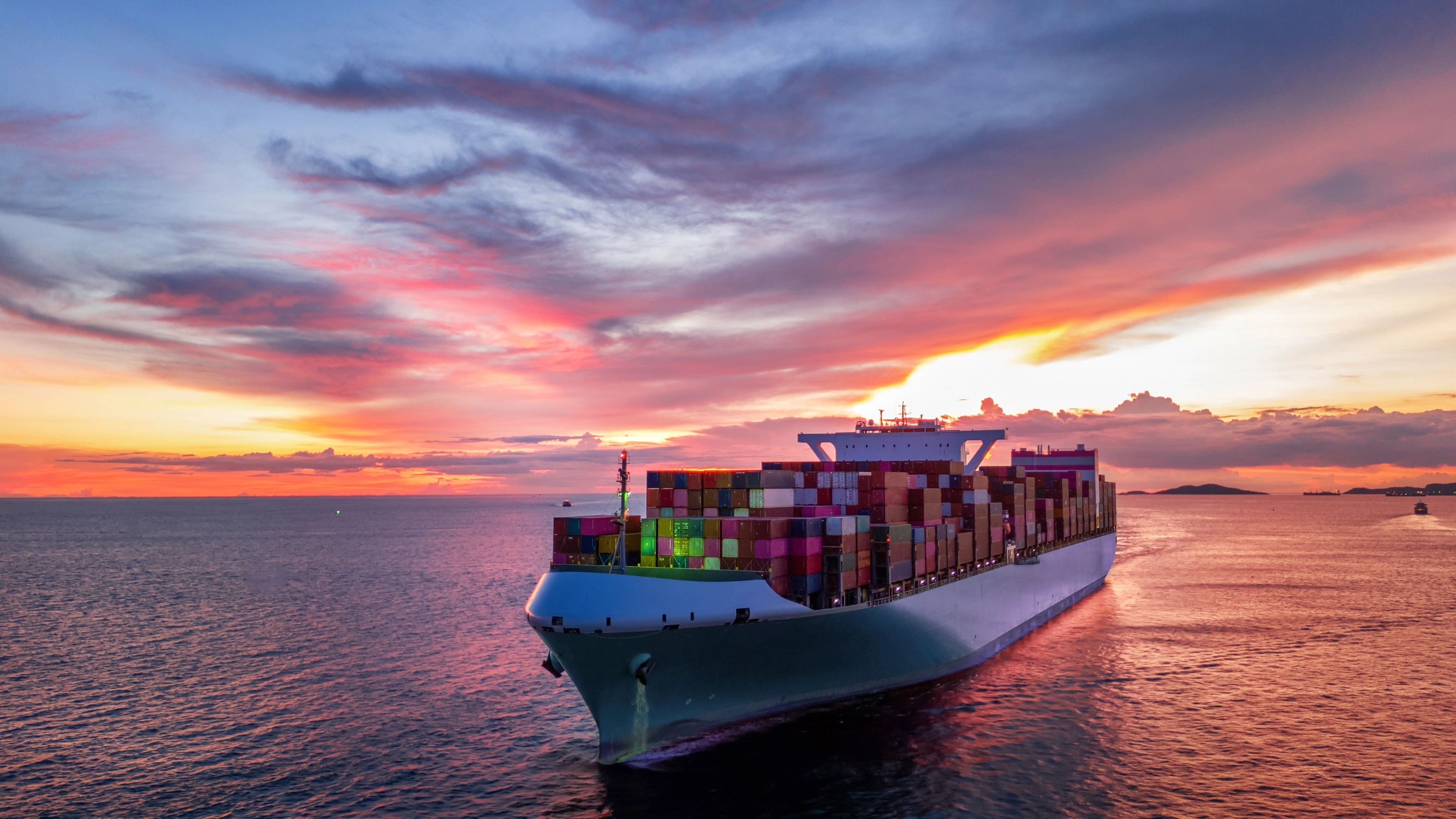
Digital Visibility
Woodland Online brings shipment information together in one place, helping customers maintain visibility across their international sea freight movements.
Combined with regular operational and market updates from our teams, this gives businesses greater oversight when sailing schedules, arrival dates or wider market conditions change.

Trusted by importers and exporters
Ocean freight expertise across key global regions


UK & Ireland
Import and export sea freight services through major UK and Irish ports, supported by Woodland's established operations, customs expertise, warehousing and onward distribution capabilities. Our teams coordinate international FCL and LCL shipments across key trade routes.
UK Sea Freight

Europe
International sea freight services connecting major European ports with key markets worldwide. Woodland combines FCL and LCL shipping options with established European operations, customs expertise and inland distribution capabilities to support imports and exports across the region.
European Sea Freight

North America
International FCL and LCL sea freight services connecting North America with Europe, Asia and other major markets. Woodland's established US operations provide local expertise, customs brokerage, warehousing and onward distribution to support international supply chains.
USA Sea Freight

Asia Pacific
International sea freight services connecting Asia Pacific with the UK, Ireland, Europe and North America. With established operations in China and extensive carrier relationships, Woodland provides FCL and LCL shipping, consolidation services and access to key regional trade routes.
China Sea Freight
Beyond Sea Freight
Explore the latest developments shaping international trade and ocean freight, from changing shipping conditions and global trade routes to customs regulations, supply chain sustainability and wider logistics trends.


Sea Freight FAQs
What is sea freight?
Sea freight, also known as ocean freight, is the transportation of commercial cargo by sea between domestic or international ports. Cargo can move in a dedicated container as Full Container Load (FCL), share container space through Less than Container Load (LCL), or require specialist equipment for oversized and project shipments.
Sea freight is widely used by businesses moving larger volumes of goods across international supply chains where cost, capacity and inventory planning are key considerations.
What does an ocean freight forwarder do?
An ocean freight forwarder coordinates the movement of goods by sea between origin and destination. This can include selecting carriers and routes, arranging bookings, coordinating documentation and customs requirements, managing origin and destination handling, and arranging onward transport.
Woodland combines ocean freight forwarding with wider customs, warehousing and distribution capabilities, allowing multiple stages of an international shipment to be managed through one connected network.
What's the difference between sea freight and ocean freight?
Sea freight and ocean freight generally describe the same mode of transport: moving commercial cargo by ship.
Both terms cover services such as FCL, LCL, buyer consolidation and specialist ocean cargo. The terminology used can vary between markets and businesses, but there is no fundamental difference between the two modes.
What's the difference between FCL and LCL sea freight?
FCL gives one shipper use of a container for their cargo, while LCL combines compatible shipments from multiple businesses into the same container.
The right option depends on factors including shipment volume, frequency, cargo requirements, cost and required transit time. Woodland can assess both options against your requirements rather than assuming one approach will always be more economical.
What is buyer consolidation?
Buyer consolidation combines cargo from multiple suppliers at origin before it is shipped to destination.
Instead of each supplier arranging a separate international shipment, goods can be brought together according to an agreed consolidation plan. This can improve container utilisation, reduce shipment fragmentation and give the buyer greater control over the inbound supply chain.
How long does sea freight take?
Sea freight transit times vary significantly according to origin, destination, carrier, routing and whether the ocean freight service is direct or includes transhipment.
Sailing schedules can also change due to port congestion, adverse weather, operational disruption and changes across carrier networks. Woodland's teams assess available services when planning each shipment and provide current schedule information, while communicating changes where they occur.
Why can sea freight ETDs and ETAs change?
Estimated departure and arrival dates are affected by factors throughout the carrier network, including port congestion, adverse weather, operational disruption and changes to vessel routings.
Cargo readiness at origin is another important factor. If a supplier's Cargo Ready Date changes, the planned sailing may no longer be achievable. Accurate and early communication between suppliers, customers and freight teams therefore plays an important role in shipment planning.
Can Woodland handle dangerous goods by sea?
Woodland has experience handling regulated cargo, including lithium battery-powered and lithium battery-containing products.
Acceptance depends on the commodity, carrier and shipment requirements. Dangerous goods may require carrier pre-approval, specific rate filings and supporting documentation such as a current Material Safety Data Sheet (MSDS). Our teams work with customers and carriers to establish the applicable requirements before shipment.
Can Woodland handle oversized ocean freight?
Yes. Alongside containerised FCL and LCL sea freight, Woodland can support project and out-of-gauge cargo where shipments require specialist equipment, routing or handling.
Requirements are assessed around the individual cargo so the appropriate carrier, equipment and operational plan can be established.
Which ports does Woodland use for sea freight?
Woodland's sea freight network connects major ports across Asia, Europe, North America and other international trade lanes, working with multiple ocean carriers to provide flexible routing options.
Key gateways include Southampton, Felixstowe and London Gateway in the UK; Rotterdam and Hamburg in Europe; and New York/New Jersey, Los Angeles/Long Beach and Savannah in the USA.
The most appropriate port depends on the origin, destination, carrier service, cargo requirements and current operating conditions.
Does Woodland provide customs clearance and delivery?
Woodland combines international ocean freight with customs, warehousing and onward distribution capabilities, allowing multiple stages of the journey to be coordinated through one logistics partner.
For UK LCL imports in particular, Woodland's own warehouse facilities provide greater control over deconsolidation, customs processes, inventory management and onward distribution throughout the UK and Ireland.
Which sea freight services does Woodland provide?
Woodland's sea freight services include Full Container Load (FCL), Less than Container Load (LCL), buyer consolidation and project and out-of-gauge cargo.
These ocean freight services are supported by international carrier relationships and wider customs, warehousing and distribution capabilities, allowing the solution to be built around the requirements of the wider supply chain.
Talk to the sea freight team
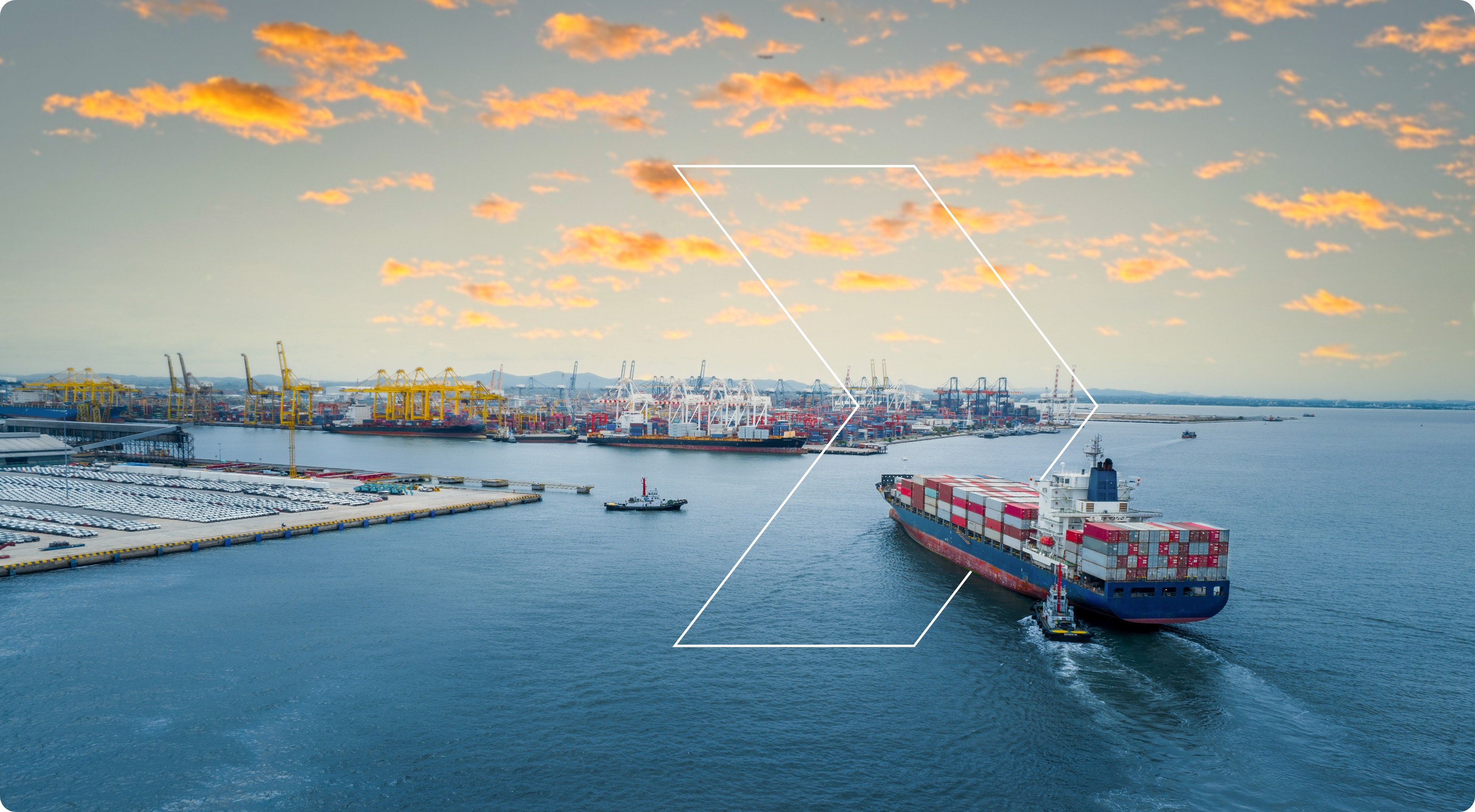
Tell us where your cargo needs to move, what you're shipping and when you need it to arrive. Our sea freight specialists will assess the available carrier, service and routing options and build an international ocean freight solution around your requirements.

Talk to the sea freight team
Tell us where your cargo needs to move, what you're shipping and when you need it to arrive. Our sea freight specialists will assess the available carrier, service and routing options and build an international ocean freight solution around your requirements.

Andy Ball
Director, Woodland Group
Andy Ball has extensive experience in international sea freight, with particular expertise in Asia-Pacific trade lanes. He advises customers on ocean freight solutions, routing, consolidation and supply chain requirements, helping businesses manage their international shipping operations efficiently.


