Contact Us
Expert Support for Your Trans-Pacific Supply Chain
Discover how we support businesses navigate the Trans-Pacific trade lane with confidence through expert guidance and a professional assessment of your supply chain.

Visibility, Control, Compliance And Accountability Across A Complex Trade Lane
The Trans-Pacific trade combines rate volatility, lead time uncertainty, regulatory pressure, and operational complexity. When ownership is unclear or execution is fragmented, small gaps quickly become costs, delays, or compliance risks.
Woodland Group supports shippers and importers operating across Asia and the United States through a structured, end-to-end operating model designed to maximise visibility, reduce risk exposure and improve certainty across the lane.
Our support covers:
- Origin management across China and throughout Asia, keeping control close to vendors.
- International transport execution, across ocean, air, and multimodal routes from door to door with real time visibility and reporting.
- Licensed U.S. customs and trade compliance support, ensuring goods move across international borders seamlessly.
For those already familiar with this trade lane, a free China–U.S. lane review provides a clear view of how these elements are currently working together, and where lack of visibility, control, flexibility or inefficiency may be leading to increased costs.
Our Services
From time-critical movements to high-volume ocean freight, Woodland Group supports the China–U.S. lane through a range of integrated transportation services, all managed with the same focus on control, compliance, and reliability.
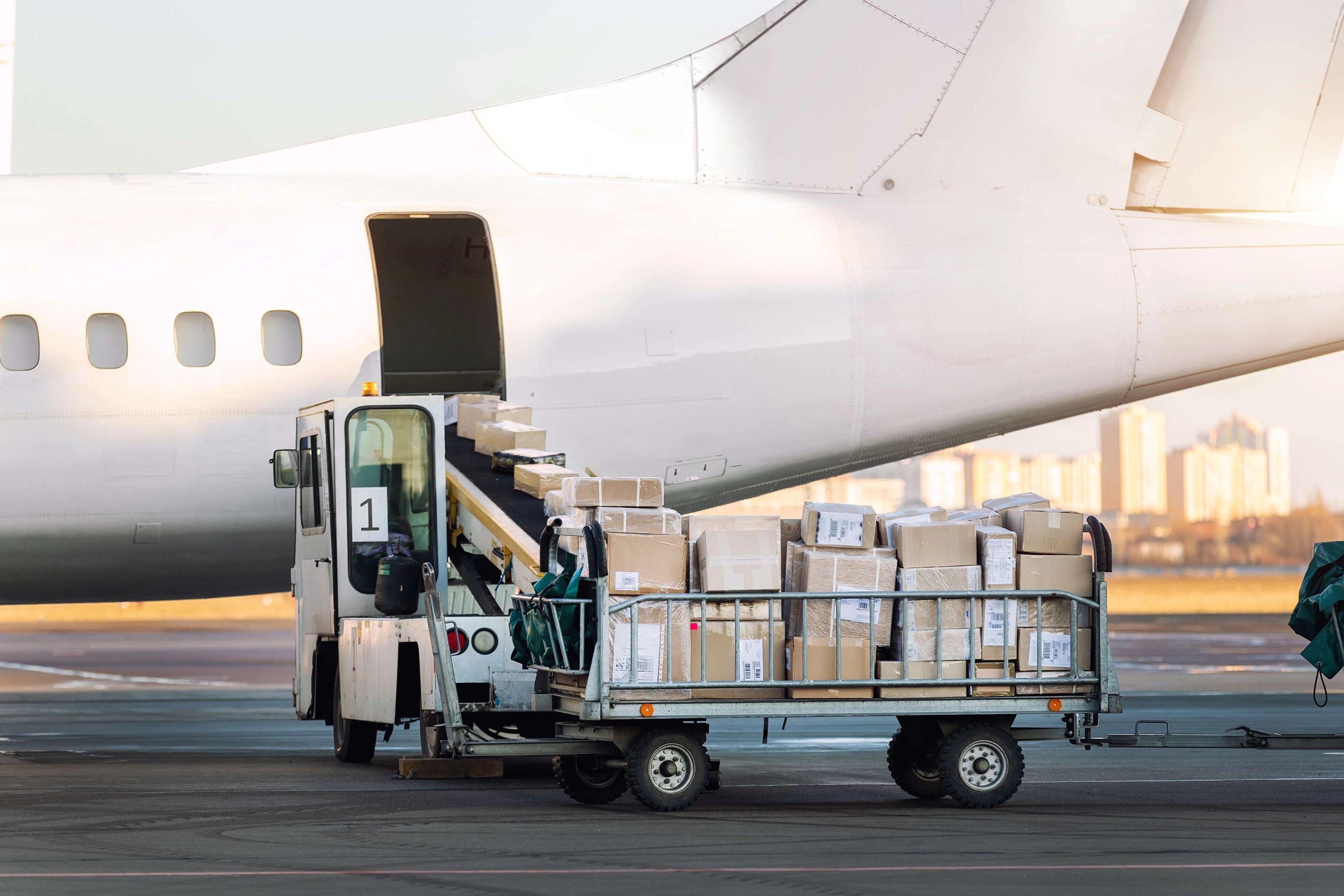
Air Freight China
Critical movements from China into the U.S. require speed without compromising visibility or compliance. Woodland Group manages air freight from China...

Sea Freight China
Ocean freight remains the backbone of the China–U.S. lane for most importers.
We combine competitive rates with disciplined planning and end-to-end c...

Woodland Online
Woodland Online is the backbone of our digital supply chain solutions for clients. Using online tools with real-time tracking, reporting, and system i...
Our Services
From time-critical movements to high-volume ocean freight, Woodland Group supports the China–U.S. lane through a range of integrated transportation services, all managed with the same focus on control, compliance, and reliability.
Air Freight China
Critical movements from China into the U.S. require speed without compromising visibility or compliance. Woodland Group manages air freight from China...
Sea Freight China
Ocean freight remains the backbone of the China–U.S. lane for most importers.
We combine competitive rates with disciplined planning and end-to-end c...
Woodland Online
Woodland Online is the backbone of our digital supply chain solutions for clients. Using online tools with real-time tracking, reporting, and system i...

Compliance And Customs Oversight
On the Trans-Pacific trade lane, compliance is not theoretical. Importers remain accountable for how goods are classified, declared, and cleared, regardless of who arranges the freight or prepares the paperwork.
Woodland Group provides direct customs and compliance oversight in the US, supported by experienced licensed customs brokers who manage classification, clearance, and regulatory requirements as part of the wider supply chain, not as a handoff at the border.
This compliance-led approach includes:
- Licensed U.S. customs brokerage, managing tariff classification, valuation, and entry
- C-TPAT accredited processes, supporting secure and trusted trade
- Close coordination between operations and brokerage teams, reducing delays and costs
- Clear accountability, with compliance ownership defined and maintained
With offices across the U.S. and Greater China, Woodland Group is strongly placed to help you meet your customs compliance challenges.
Our Locations
Jump to:
Asia-Pacific
Americas
EMEA
Trade And Compliance Insights
Trade conditions on the Trans-Pacific lane can change quickly, particularly around tariffs, customs requirements, and regulatory enforcement.
Woodland Group provides practical insights and guidance on trade, customs compliance, and supply chain risk, helping businesses stay informed and make better decisions as conditions evolve.

USA IEEPA Tariffs – Update on Legal Developments and Collections
This update addresses the developing position regarding tariffs imposed under the International Emergency Economic Powers Act (IEEPA), following the U...

Adapting to Changing Customs Regulations
Practical guidance on navigating regulatory change without disrupting your supply chain.

U.S. Tariff Classification and Duty Minimisation
How accurate classification can reduce duty exposure and avoid costly compliance errors.

U.S. Guide to Customs Brokerage
A clear explanation of what licensed customs brokers do and why importer oversight matters.

Customs Compliance Checklist
A structured checklist to help identify common compliance gaps before they become issues.

Section 232 Tariff Increases Delayed Until 2027
What the delay means for import planning, cost exposure, and compliance strategy.

CBP Update: Valuation of Steel and Aluminium Content Under Section 232
Key changes in how CBP assesses steel and aluminum value for tariff purposes.

CPSC eFiling Update: Mandatory Requirements Begin July 2026
What importers need to prepare for ahead of new mandatory CPSC eFiling rules.

APHIS Confirms Full Enforcement Of ISPM-15 Hyphen Requirement From January 2026
Clarification on enforcement timelines and what importers must update now.

U.S. Tariffs: Latest Developments
A summary of recent tariff changes and what they mean for active importers.
Trade And Compliance Insights
Trade conditions on the Trans-Pacific lane can change quickly, particularly around tariffs, customs requirements, and regulatory enforcement.
Woodland Group provides practical insights and guidance on trade, customs compliance, and supply chain risk, helping businesses stay informed and make better decisions as conditions evolve.
USA IEEPA Tariffs – Update on Legal Developments and Collections
This update addresses the developing position regarding tariffs imposed under the International Emergency Economic Powers Act (IEEPA), following the U...
Adapting to Changing Customs Regulations
Practical guidance on navigating regulatory change without disrupting your supply chain.
U.S. Tariff Classification and Duty Minimisation
How accurate classification can reduce duty exposure and avoid costly compliance errors.
U.S. Guide to Customs Brokerage
A clear explanation of what licensed customs brokers do and why importer oversight matters.
Customs Compliance Checklist
A structured checklist to help identify common compliance gaps before they become issues.
Section 232 Tariff Increases Delayed Until 2027
What the delay means for import planning, cost exposure, and compliance strategy.
CBP Update: Valuation of Steel and Aluminium Content Under Section 232
Key changes in how CBP assesses steel and aluminum value for tariff purposes.
CPSC eFiling Update: Mandatory Requirements Begin July 2026
What importers need to prepare for ahead of new mandatory CPSC eFiling rules.
APHIS Confirms Full Enforcement Of ISPM-15 Hyphen Requirement From January 2026
Clarification on enforcement timelines and what importers must update now.
U.S. Tariffs: Latest Developments
A summary of recent tariff changes and what they mean for active importers.

Case Study: Unified China–US Control Ensures Continuous Flow During a Compliance Disruption
When a major importer encountered an unexpected import issue that threatened to halt multiple China–U.S. shipments, Woodland Group mobilised its China and U.S. offices as a single, coordinated team. Working jointly, our origin and destination specialists stabilised the situation at destination, maintained visibility and communication, and protected door‑to‑door control throughout the disruption.
To keep cargo moving, we proactively managed upcoming orders at origin across multiple carriers and alternative routings, avoiding congestion, delays, and potential significant additional costs while the issue was resolved. This flexible approach ensured uninterrupted flow from factory to production line, despite the high‑risk situation.
Result: seamless China–U.S. continuity, avoided penalties, and a fully protected supply chain - delivered through one unified, customer‑centric Woodland team.
What does a China -U.S. lane review actually cover?
A lane review analyses how effectively your China - U.S. supply chain is running, covering origin performance, routing choices, communication, compliance and cost control. It assesses supplier behaviour, consolidation options, transit time optimisation, carrier utilisation and any gaps in visibility or documentation that may be causing delays, unnecessary spend or compliance exposure.
We also identify opportunities to reduce landed costs, shorten transit times and improve access to shipping information and documents. These are two of the biggest drivers of operational efficiency.
Which ports in China and the U.S. do you support?
We operate across all major hubs in Mainland China including Shanghai, Shenzhen, Ningbo, Qingdao and Xiamen, as well as Hong Kong and wider Asia. In the U.S. we support every primary import gateway such as Los Angeles/Long Beach, Oakland, Seattle/Tacoma, Houston, Savannah, Charleston and New York/New Jersey.
This provides full coast-to-coast coverage while allowing us to match your routing to the best combination of cost, service and reliability.
How can I reduce my China-U.S. freight costs?
Cost savings usually come from smarter routing, consolidation, selecting the right carrier mix, balancing contract and FAK options, avoiding unnecessary surcharges and tightening origin control to minimise delays.
We also review documentation accuracy, free time utilisation and mode mix, including rail or air alternatives when appropriate, to remove hidden cost drivers across the China - U.S. shipping lane and improve overall supply chain efficiency.
How do you help improve transit time reliability on the China-U.S. lane?
We improve predictability through disciplined origin management, strict supplier cut off control, diversified carrier selection and continuous performance monitoring.
Our teams analyse historical sailing performance, blank sailings, congestion trends and carrier behaviour. This allows us to build routing plans that prioritise consistency and reliability rather than simply focusing on headline transit times.
Can you help improve supply chain visibility for China-U.S. shipments?
Yes. Woodland Online provides real time vessel tracking, milestone alerts, document access and shipment reporting.
Beyond digital tools, we improve visibility structurally by strengthening supplier communication, improving origin coordination and integrating customs and transport data. This ensures you always have a clear picture of your cargo's journey from China to the United States.
How do you manage compliance for China-U.S. imports?
Compliance on this trade lane is critical. Classification, valuation, documentation and security filings must all be accurate before departure.
Our licensed U.S. customs specialists manage entries, advise on tariff developments, review documentation for accuracy and ensure shipments remain compliant even when regulations change.
Can you help if tariffs or trade rules change suddenly?
Yes. We actively monitor regulatory updates and provide importer specific guidance when rules change. This may include identifying refund opportunities, PSC options or entry corrections.
Our teams help customers prepare documentation and data early so they remain protected when tariff policies shift.
How can consolidation strategies improve China-U.S. freight efficiency?
For companies sourcing from multiple suppliers across China, consolidation can significantly improve cost control and operational visibility.
By coordinating origin pickup and consolidating cargo at strategic hubs, businesses can optimise container utilisation, reduce shipment fragmentation and simplify documentation management. This approach can also improve shipment predictability while lowering overall logistics costs.
Why do rates change so much on the China-U.S. lane?
Rates on the China – U.S. lane fluctuate more than most other trade routes because this corridor sits at the centre of global demand cycles, carrier capacity decisions and changing regulatory or geopolitical conditions.
Pricing changes are influenced by blank sailings, space constraints, equipment availability, peak season demand, fuel and surcharge volatility and shifts in tariff policy. Carriers also rebalance vessel deployments across regions in response to demand swings, which can tighten or release capacity quickly.
These conditions make the lane inherently volatile and require proactive planning, careful monitoring and the right balance of contracts, FAK options and consolidation strategies to stabilise freight costs.


