Contact Us
Get A Clearer View Of How Your China–UK Supply Chain Is Performing
Woodland Group is offering a free review of your China–UK activity. We’ll assess your lane structure, customs exposure, visibility standards, and cost efficiency to identify opportunities to improve performance and reduce unnecessary risk.
Reduce Cost, Risk, And Friction Across Your China–UK Lane
The China–UK trade lane continues to place pressure on importers through rising costs, unpredictable disruption, and increasing operational scrutiny. Many businesses only realise where the real problems sit once delays, hidden charges, or communication failures begin affecting stock flow and customer commitments.
Woodland Group supports UK importers with a more controlled and transparent approach to managing freight, customs, and supplier coordination across the lane, helping businesses reduce friction and make better operational decisions.
Our support covers:
- Origin management across China through Woodland Group offices and local teams
- International transport execution across ocean, air, and multimodal routes
- Customs oversight and shipment visibility from supplier through to UK delivery
For businesses already importing on this lane, a free China–UK lane review provides a practical assessment of how cost, service, and operational risk are currently being managed.
Our Services
China–UK freight movements rarely stay static for long. Woodland Group supports importers with transportation services designed to adapt to changing sourcing patterns, delivery expectations, inventory pressure, and operational demands without losing visibility or control.
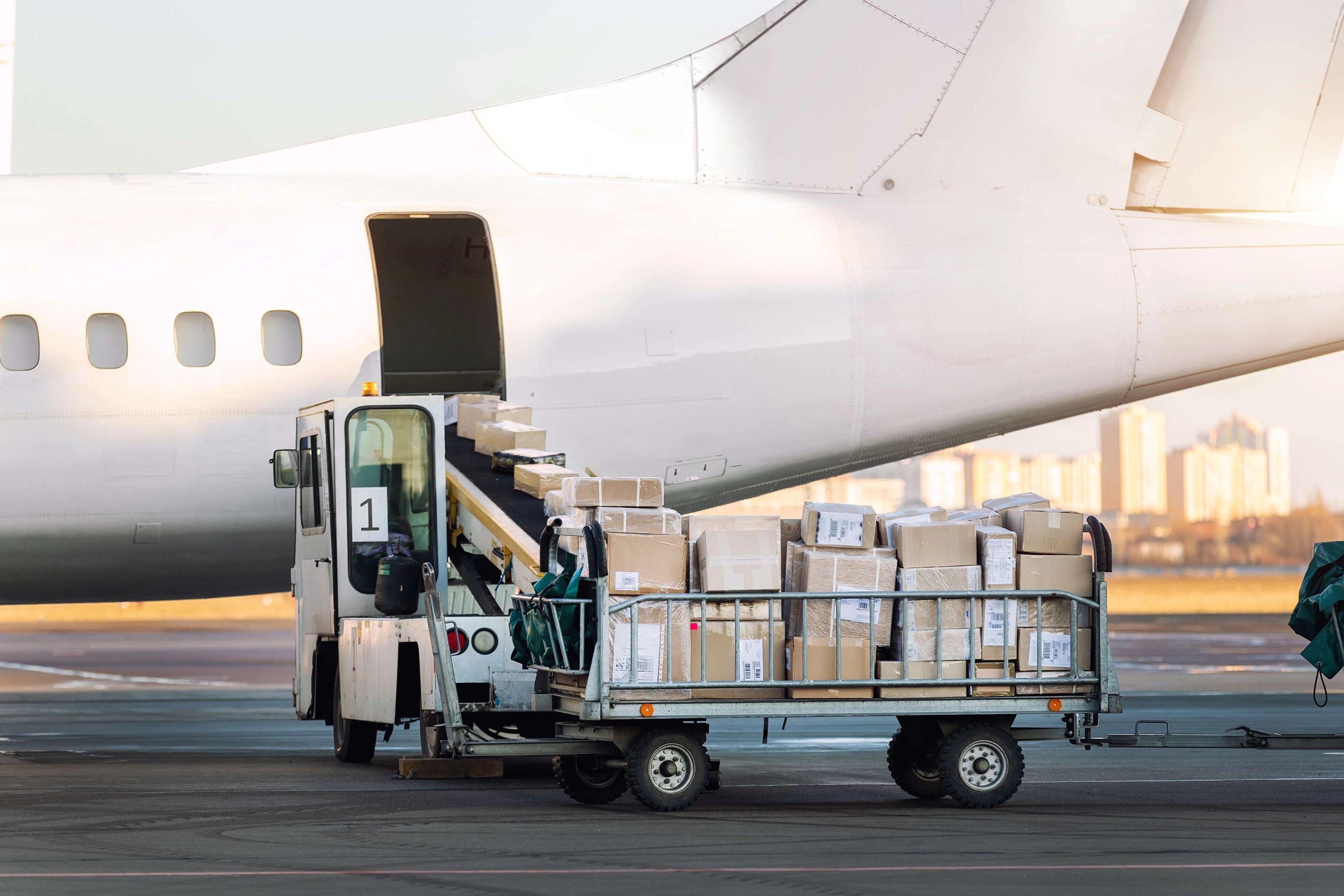
Air Freight China
Time-sensitive shipments from China into the UK require speed without losing visibility or control. Woodland Group manages air freight with active coo...

Sea Freight UK
Ocean freight remains the backbone of the China–U.S. lane for most importers.
We combine competitive rates with disciplined planning and end-to-end c...
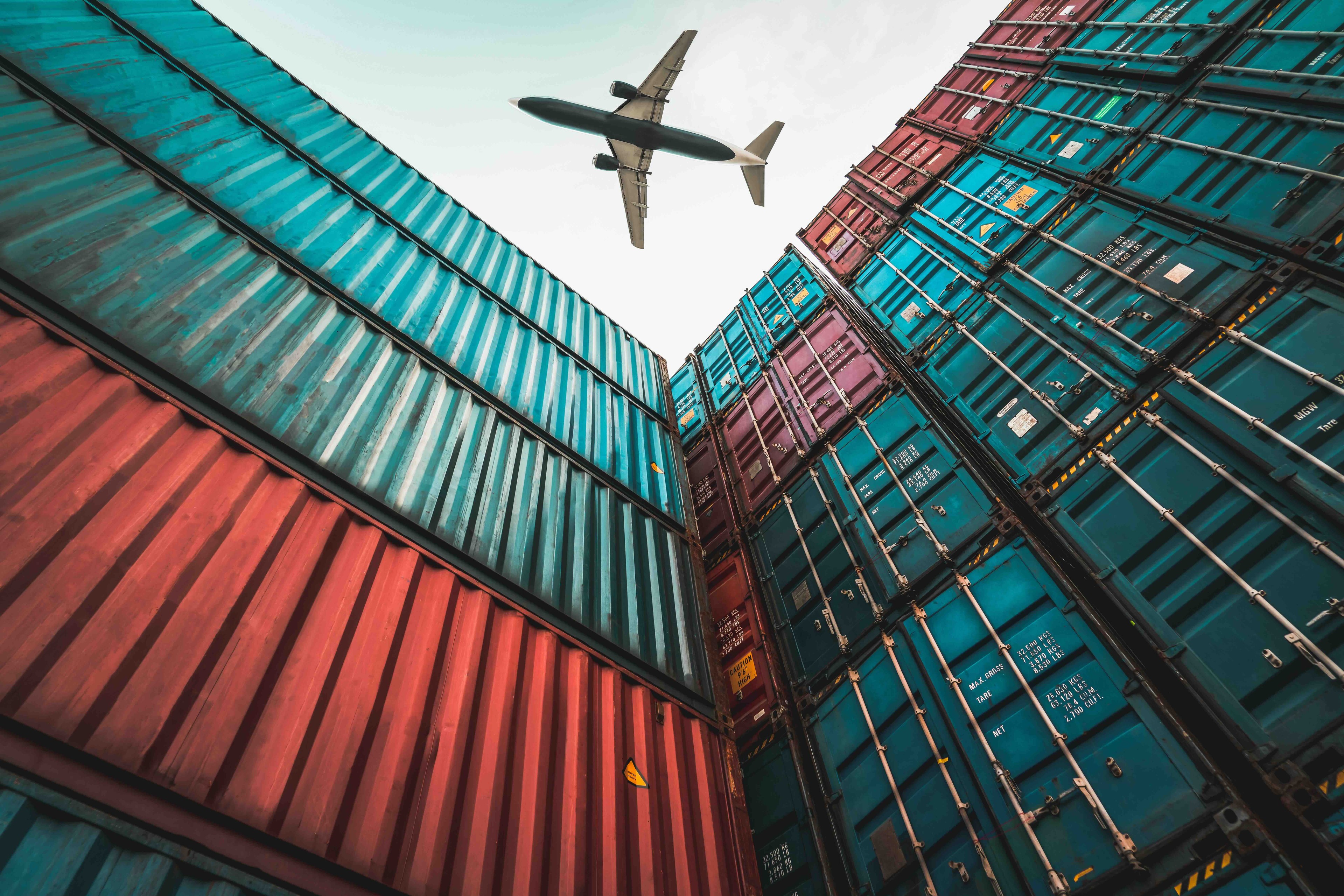
Air Freight UK
Woodland Group supports UK handling, onward delivery, and distribution activity once goods arrive. This helps importers maintain continuity and strong...

Woodland Online
Woodland Online is the backbone of our digital supply chain solutions for clients. Using online tools with real-time tracking, reporting, and system i...
Our Services
China–UK freight movements rarely stay static for long. Woodland Group supports importers with transportation services designed to adapt to changing sourcing patterns, delivery expectations, inventory pressure, and operational demands without losing visibility or control.
Air Freight China
Time-sensitive shipments from China into the UK require speed without losing visibility or control. Woodland Group manages air freight with active coo...
Sea Freight UK
Ocean freight remains the backbone of the China–U.S. lane for most importers.
We combine competitive rates with disciplined planning and end-to-end c...
Air Freight UK
Woodland Group supports UK handling, onward delivery, and distribution activity once goods arrive. This helps importers maintain continuity and strong...
Woodland Online
Woodland Online is the backbone of our digital supply chain solutions for clients. Using online tools with real-time tracking, reporting, and system i...

Customs Activity Should Not Be A Source Of Hidden Cost
Incorrect declarations, weak commodity coding, and inconsistent customs processes can quietly increase landed cost and create avoidable disruption for UK importers sourcing from China.
Woodland Group supports UK importers with practical customs oversight designed to reduce delays, improve accuracy, and strengthen accountability across the movement of goods.
This compliance-led approach includes:
- Customs guidance and tariff classification support
- Coordination between operations and customs processes to reduce disruption
- Clear ownership across documentation and shipment activity
- Visibility into areas where hidden cost or compliance risk may exist
With offices across China and established UK operations, Woodland Group is well positioned to support importers moving goods regularly between the two markets.
Our Locations
Jump to:
Asia-Pacific
EMEA
Trade And Compliance Insights
Importers operating between China and the UK are under constant pressure to manage landed cost, customs exposure, and changing operational requirements more effectively.
Woodland Group provides practical insights and guidance on customs compliance, tariff classification, and supply chain risk to help importers make more informed operational decisions.

Adapting to Changing Customs Regulations
Practical guidance on navigating regulatory change without disrupting your supply chain.

Customs Compliance Checklist
A structured checklist to help identify common compliance gaps before they become issues.
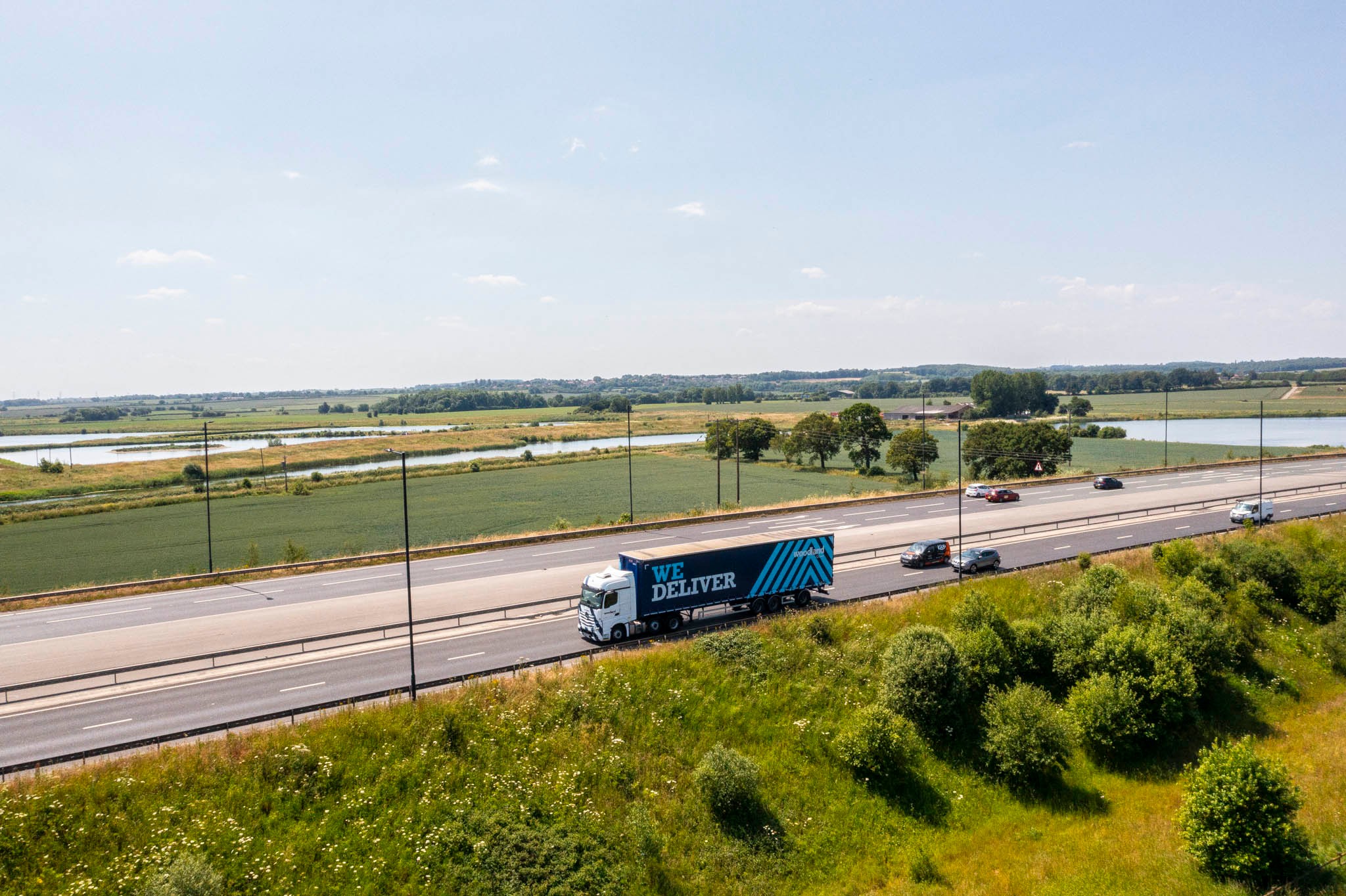
UK Guide to Customs Brokerage
A clear explanation of what licensed customs brokers do and why importer oversight matters.

Navigating Customs Compliance UK
An in-depth understanding of how customs compliance is handled in the UK and insight into recent changes.
Trade And Compliance Insights
Importers operating between China and the UK are under constant pressure to manage landed cost, customs exposure, and changing operational requirements more effectively.
Woodland Group provides practical insights and guidance on customs compliance, tariff classification, and supply chain risk to help importers make more informed operational decisions.
Adapting to Changing Customs Regulations
Practical guidance on navigating regulatory change without disrupting your supply chain.
Customs Compliance Checklist
A structured checklist to help identify common compliance gaps before they become issues.
UK Guide to Customs Brokerage
A clear explanation of what licensed customs brokers do and why importer oversight matters.
Navigating Customs Compliance UK
An in-depth understanding of how customs compliance is handled in the UK and insight into recent changes.

Understand UK Tariffs Classification And Duty Minimisation With Our Guide
Many importers focus heavily on freight rates while avoidable cost continues to build elsewhere through incorrect classification, outdated assumptions, and weak customs oversight.
The guide covers:
- Common classification mistakes made by importers
- Areas where avoidable duty costs can build over time
- Practical steps to improve customs accuracy and reduce exposure
For businesses importing regularly from China, even small classification improvements can create meaningful long-term savings.
Who is ultimately responsible for compliance on the China–UK lane?
The importer. Even when suppliers, factories, or overseas partners arrange freight or documentation, legal responsibility for customs compliance remains with the importing business.
This includes tariff classification, customs declarations, valuation, and maintaining accurate supporting documentation. If errors occur, the importer remains accountable.
This is why many businesses review how compliance is currently managed across the lane and whether ownership is clearly defined end to end.
What does a China–UK lane review actually cover?
A China–UK lane review is a practical assessment of how your current supply chain is operating across cost, visibility, customs, and service performance.
A typical review looks at:
- How shipment ownership is managed across origin, transit, and destination
- Whether visibility and communication standards are sufficient
- How customs activity and tariff classification are currently handled
- Areas where hidden cost or operational inefficiency may exist
The review is free, with no obligation, and is designed to provide practical commercial insight.
Is a lane review only useful if something has already gone wrong?
No. Many businesses request a review before disruption occurs.
Reviews are commonly carried out when:
- Freight costs increase or margins tighten
- Service reliability becomes inconsistent
- Sourcing activity grows across China and wider Asia
- Internal teams want greater confidence in visibility and compliance
Identifying issues early is usually far less costly than reacting after disruption has already affected operations.
How does Woodland Group stay competitive on price without reducing service quality?
Price matters on the China–UK lane, but low rates only create value when service and visibility remain consistent.
Woodland Group maintains competitive pricing through:
- Active shipment management rather than passive forwarding
- Clear operational ownership across the lane
- Local presence in China to improve coordination at origin
- Structured visibility and communication throughout shipment activity
A lane review helps identify whether current freight costs are genuinely delivering value or whether hidden operational cost is being absorbed elsewhere.
Why do UK importers switch freight providers on the China–UK lane?
Most conversations initially begin because of price pressure, but long-term frustrations usually relate to communication, reliability, and lack of visibility.
Common issues include:
- Unexpected charges appearing late in the process
- Delays without clear updates or ownership
- Weak coordination between origin and destination
- Limited visibility once cargo is moving
Importers often seek a review when they feel their current setup has become reactive rather than controlled.
Does requesting a lane review mean changing providers?
No. Many businesses use a lane review as a benchmarking exercise to better understand their current operation.
Some organisations use the findings to improve existing arrangements, while others choose to restructure elements of their supply chain over time.
The purpose of the review is to provide clarity and commercial insight, not force transition.
Is a China–UK lane review suitable for smaller or growing importers?
Yes. Reviews are valuable for both growing businesses and more established importers.
Smaller companies often use a review to ensure their supply chain can scale without introducing unnecessary risk or hidden cost. Larger organisations use reviews to challenge long-standing processes that may no longer reflect current operational realities.
The review is tailored to the complexity and scale of the importer’s activity.
How long does a China–UK lane review take?
The initial review process is designed to be practical and efficient.
In most cases, Woodland Group can complete the first stage following a short discussion and review of recent shipment activity
The goal is to provide actionable insight without disrupting day-to-day operations.


