Contact Us
Take Control Of Your Asia–U.S. Supply Chain with Expert Management
Learn all about our activity on this vital global lane, and unlock a professional evaluation of your activity across U.S.–Asia.

Control, Compliance, And Accountability Across A Complex Trade Lane
The Asia–U.S. trade lane combines volatility, regulatory pressure, and operational complexity. When ownership is unclear or execution is fragmented, small gaps quickly become cost, delay, or compliance risk.
Woodland Group supports importers operating across China, wider Asia, and the U.S. through a structured, end-to-end operating model designed to reduce exposure and improve certainty across the lane.
Our support covers:
- Origin management across China and Asia, keeping control close to suppliers
- International transport execution, across ocean, air, and multimodal routes
- Licensed U.S. customs and compliance support, ensuring goods clear correctly
For businesses already using this lane, a free Asia–U.S. lane review provides a clear view of how these elements are currently working together, and where risk or inefficiency may be sitting.
Our Services
From time-critical movements to high-volume ocean freight, Woodland Group supports the Asia–U.S. lane through a range of integrated transportation services, all managed with the same focus on control, compliance, and reliability.
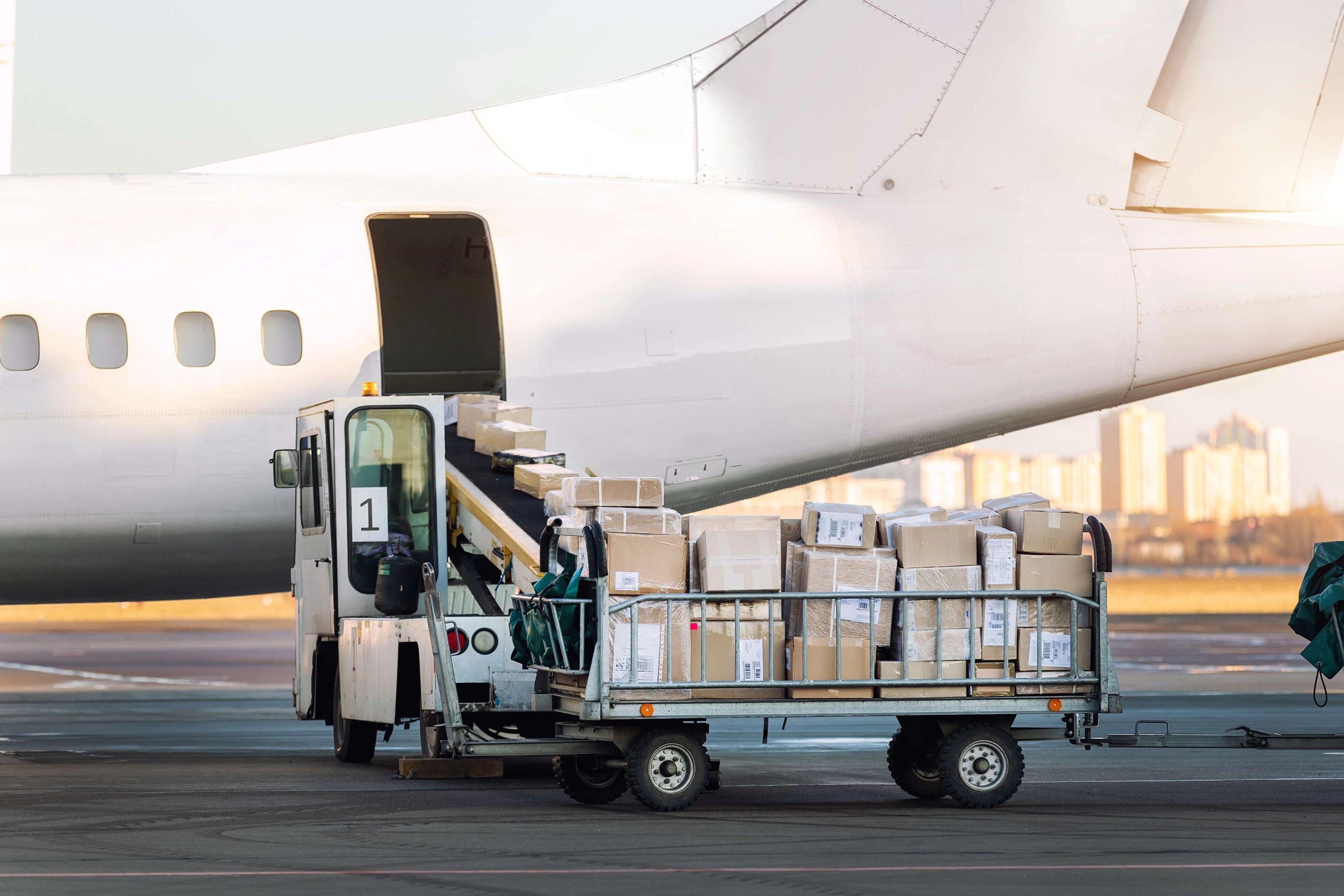
Air Freight China
Time-critical movements from China into the U.S. require speed without sacrificing visibility or compliance. Woodland Group manages Chinese air freigh...

Sea Freight China
Sea freight remains the backbone of the Asia–U.S. lane for most importers.
We combine competitive rates with disciplined planning and end-to-end cont...
Our Services
From time-critical movements to high-volume ocean freight, Woodland Group supports the Asia–U.S. lane through a range of integrated transportation services, all managed with the same focus on control, compliance, and reliability.
Air Freight China
Time-critical movements from China into the U.S. require speed without sacrificing visibility or compliance. Woodland Group manages Chinese air freigh...
Sea Freight China
Sea freight remains the backbone of the Asia–U.S. lane for most importers.
We combine competitive rates with disciplined planning and end-to-end cont...

Expert Compliance And Customs Oversight
On the Asia–U.S. trade lane, compliance is not theoretical. Importers remain accountable for how goods are classified, declared, and cleared, regardless of who arranges the freight or prepares the paperwork.
Woodland Group provides direct customs and compliance oversight in the U.S., supported by experienced licensed customs brokers who manage classification, clearance, and regulatory requirements as part of the wider supply chain, not as a handoff at the border.
This compliance-led approach includes:
- Licensed U.S. customs brokerage, managing tariff classification, valuation, and entry
- AEO-accredited processes, supporting secure and trusted trade
- Close coordination between operations and customs teams, reducing rework and delays
- Clear importer accountability, with compliance ownership defined and maintained
With offices across the U.S. and China, Woodland Group is strongly placed to help you meet your customs compliance challenges.
The People Behind Your Asia–U.S. Supply Chain
Supply chains are not managed by systems alone. They are managed by people who understand the lane, the regulations, and the consequences of getting it wrong.
Woodland Group’s Asia–U.S. capability is supported by:
- Teams on the ground across China and Asia
- U.S.-based customs and compliance specialists
- Dedicated account management with global oversight

Eric Reuter
Managing Director - Asia Pacific

Dan Williams
Chief Commercial Officer
The People Behind Your Asia–U.S. Supply Chain
Supply chains are not managed by systems alone. They are managed by people who understand the lane, the regulations, and the consequences of getting it wrong.
Woodland Group’s Asia–U.S. capability is supported by:
- Teams on the ground across China and Asia
- U.S.-based customs and compliance specialists
- Dedicated account management with global oversight
Eric Reuter
Managing Director - Asia Pacific
Dan Williams
Chief Commercial Officer
Trade And Compliance Insights
Trade conditions on the Asia–U.S. lane change quickly, particularly around tariffs, customs requirements, and regulatory enforcement.
Woodland Group provides practical insights and guidance on trade, customs compliance, and supply chain risk, helping businesses stay informed and make better decisions as conditions evolve.

Adapting to Changing Customs Regulations
Practical guidance on navigating regulatory change without disrupting your supply chain.

U.S. Tariff Classification and Duty Minimisation
How accurate classification can reduce duty exposure and avoid costly compliance errors.

U.S. Guide to Customs Brokerage
A clear explanation of what licensed customs brokers do and why importer oversight matters.

Customs Compliance Checklist
A structured checklist to help identify common compliance gaps before they become issues.

Section 232 Tariff Increases Delayed Until 2027
What the delay means for import planning, cost exposure, and compliance strategy.

CBP Update: Valuation of Steel and Aluminium Content Under Section 232
Key changes in how CBP assesses steel and aluminum value for tariff purposes.

CPSC eFiling Update: Mandatory Requirements Begin July 2026
What importers need to prepare for ahead of new mandatory CPSC eFiling rules.

APHIS Confirms Full Enforcement Of ISPM-15 Hyphen Requirement From January 2026
Clarification on enforcement timelines and what importers must update now.

U.S. Tariffs: Latest Developments
A summary of recent tariff changes and what they mean for active importers.
Trade And Compliance Insights
Trade conditions on the Asia–U.S. lane change quickly, particularly around tariffs, customs requirements, and regulatory enforcement.
Woodland Group provides practical insights and guidance on trade, customs compliance, and supply chain risk, helping businesses stay informed and make better decisions as conditions evolve.
Adapting to Changing Customs Regulations
Practical guidance on navigating regulatory change without disrupting your supply chain.
U.S. Tariff Classification and Duty Minimisation
How accurate classification can reduce duty exposure and avoid costly compliance errors.
U.S. Guide to Customs Brokerage
A clear explanation of what licensed customs brokers do and why importer oversight matters.
Customs Compliance Checklist
A structured checklist to help identify common compliance gaps before they become issues.
Section 232 Tariff Increases Delayed Until 2027
What the delay means for import planning, cost exposure, and compliance strategy.
CBP Update: Valuation of Steel and Aluminium Content Under Section 232
Key changes in how CBP assesses steel and aluminum value for tariff purposes.
CPSC eFiling Update: Mandatory Requirements Begin July 2026
What importers need to prepare for ahead of new mandatory CPSC eFiling rules.
APHIS Confirms Full Enforcement Of ISPM-15 Hyphen Requirement From January 2026
Clarification on enforcement timelines and what importers must update now.
U.S. Tariffs: Latest Developments
A summary of recent tariff changes and what they mean for active importers.
Get Fresh, Expert Insights Into Your Asia–U.S. Lane Activity
Woodland Group is offering a free review of your Asia–U.S. activity. We’ll analyze your lane structure, risk profile, and alignment across cost, compliance, and sustainability to identify potential savings and efficiencies.

Who is ultimately responsible for compliance on the Asia–U.S. lane?
The importer. Even when suppliers, manufacturers, or overseas partners arrange freight, documentation, or bookings, legal responsibility for compliance remains with the importing business.
This includes correct tariff classification, valuation, country of origin declarations, and adherence to U.S. customs regulations. When errors occur, penalties and delays are applied to the importer, not the overseas vendor.
This is why many businesses choose to review how compliance is managed across the lane and whether accountability is clearly owned end to end, rather than assumed.
What does an Asia–U.S. lane review actually cover?
An Asia–U.S. lane review is a structured assessment of how your current activity on the lane operates in practice, not just how it looks on paper.
A typical review looks at:
- How ownership and responsibility are structured across origin, transit, and destination
- How customs clearance, tariff classification, and documentation are handled
- Whether pricing decisions are balanced against risk, visibility, and control
- How sustainability and carbon reporting are currently managed
The review is free, with no obligation, and is designed to provide clarity rather than push a particular outcome.
Is a lane review only useful if something has already gone wrong?
No. In many cases, lane reviews are carried out proactively, before disruption occurs.
Businesses often request a review when:
- Volumes increase or sourcing expands beyond China into wider Asia
- Regulations or tariff treatment change
- Internal teams want reassurance that current arrangements are still fit for purpose
- Sustainability and ESG reporting requirements become more formal
Identifying gaps early is usually far less costly than reacting after an issue arises.
How does Woodland Group stay competitive on price without increasing risk?
Price matters on the Asia–U.S. lane, but it only delivers value when it is supported by execution, visibility, and compliance.
Competitive pricing is maintained by:
- Active shipment management rather than passive forwarding
- Clear ownership across the full movement of goods
- Licensed U.S. customs expertise to prevent delays and rework
- Control at origin across China and wider Asia
A lane review helps identify whether low rates are genuinely delivering savings or whether hidden costs are being absorbed elsewhere.
How does sustainability apply to the Asia–U.S. lane in practice?
For most organizations, more than 80 percent of total emissions sit within scope 3, making transport and logistics one of the most impactful areas to address.
On the Asia–U.S. lane, sustainability typically involves:
- Shipment-level carbon reporting aligned to recognized frameworks
- Identifying reduction opportunities through routing, consolidation, and mode selection
- Evaluating sustainable fuel options where they are feasible and effective
- Ensuring logistics decisions support broader ESG and reporting obligations
A lane review can highlight whether sustainability is being actively managed or simply assumed.
Does requesting a lane review mean changing providers?
No. Many businesses use a lane review as a benchmarking exercise to better understand their current setup.
Some organizations use the findings to improve their existing structure, while others choose to consolidate activity or make targeted changes. The purpose of the review is insight and clarity, not forced transition.
Is an Asia–U.S. lane review suitable for smaller or growing importers?
Yes. Lane reviews are valuable for both growing businesses and established importers.
Growing companies often use a review to ensure their supply chain will scale without introducing compliance or cost risk. More mature organizations use it to reassess legacy arrangements that may no longer reflect how the lane operates today.
The review is tailored to the complexity and scale of your activity.
How long does a lane review take?
The initial review is designed to be efficient and practical. In most cases, it can be completed following a short discussion and a review of recent shipment activity.
The goal is to provide clear, actionable insight without disrupting day-to-day operations.