Contact Us

Middle East Supply Chain Disruption Report
How global logistics networks are adapting — and why emissions accuracy now matters more than ever
Middle East Supply Chain Disruption Report - March '26
Welcome to Woodland Group’s latest industry insight report, examining the growing impact of the Middle East conflict on global supply chains.
What began as a regional disruption has evolved into a structural shift across ocean, air, road and rail networks. This report explores how routing strategies are changing in real time, how costs and capacity are being affected, and why traditional emissions reporting models are no longer keeping pace with reality.
Drawing on live market conditions and Woodland’s operational data, this report provides a clear view of how supply chains are adapting, and what businesses need to consider next.

What’s happening in the market?
Global logistics networks are under sustained pressure, with disruption now embedded across key trade lanes.
- Ocean freight capacity effectively reduced by 6–10% due to extended diversions
- Transit times on Asia–Europe lanes increased by 7–15+ days
- Air freight experiencing longer routings and reduced effective capacity
- Fuel volatility driving rising costs across road and inland transport
- Increased reliance on multimodal and hybrid routing solutions
These changes are not isolated — they are reshaping global supply chains end to end.

Why this matters for your business
The impact goes beyond operational disruption. It is changing how supply chains are planned, costed and measured.
- Lead times are becoming longer and less predictable
- Routing flexibility is now essential, not optional
- Fuel-driven cost volatility is affecting total landed cost
- Emissions reporting is increasingly misaligned with actual movements
For businesses with ESG commitments, this creates both operational and reporting risk.
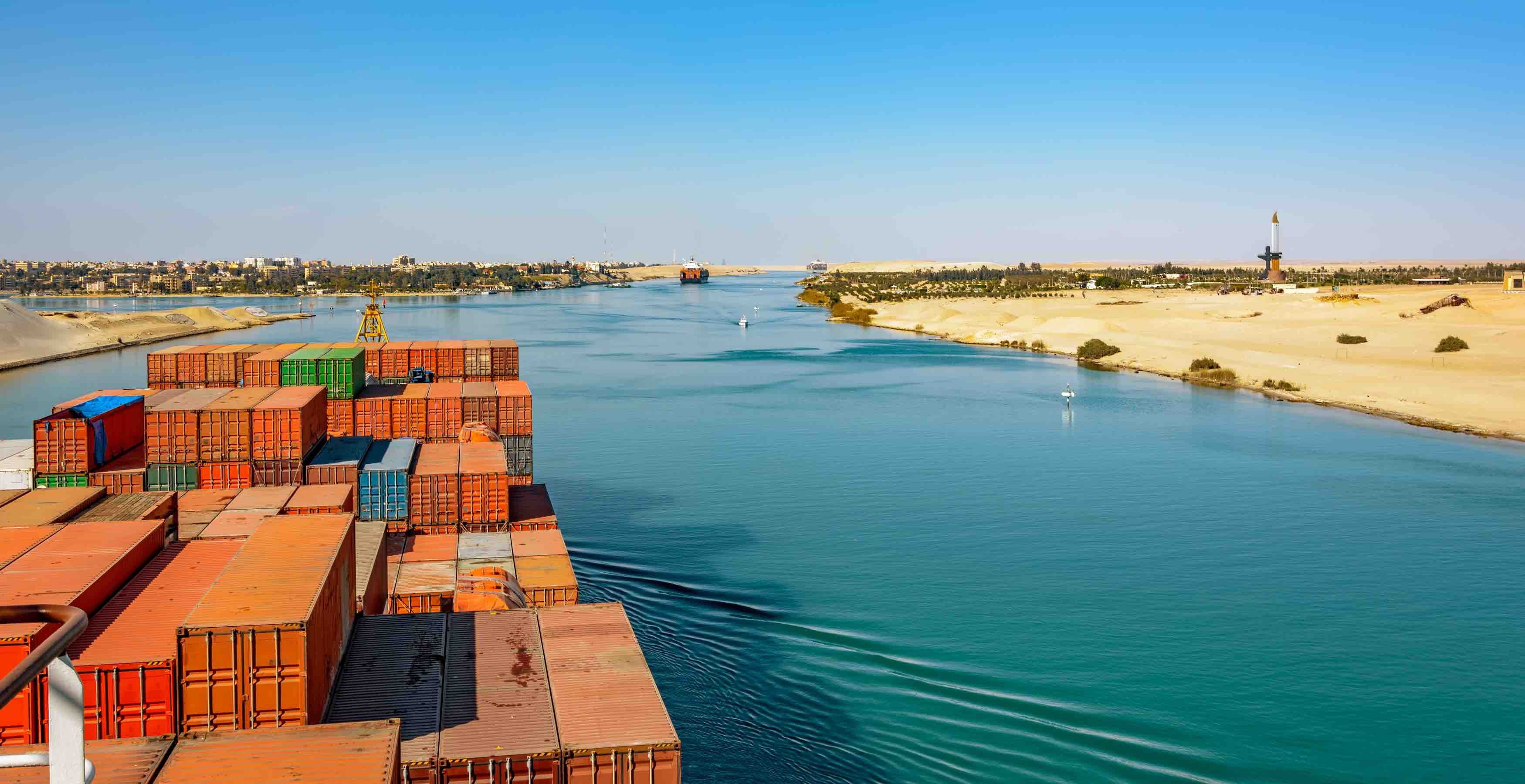
A shift toward hybrid routing solutions
To maintain flow, supply chains are rapidly adopting alternative approaches:
- Sea-air solutions to balance cost and speed
- Ocean + road routing into the Middle East via secure entry points
- Multimodal solutions combining road, sea and rail
- Deferred routing strategies to manage disruption and risk
These are not long-term replacements, but they are now critical tools for resilience.
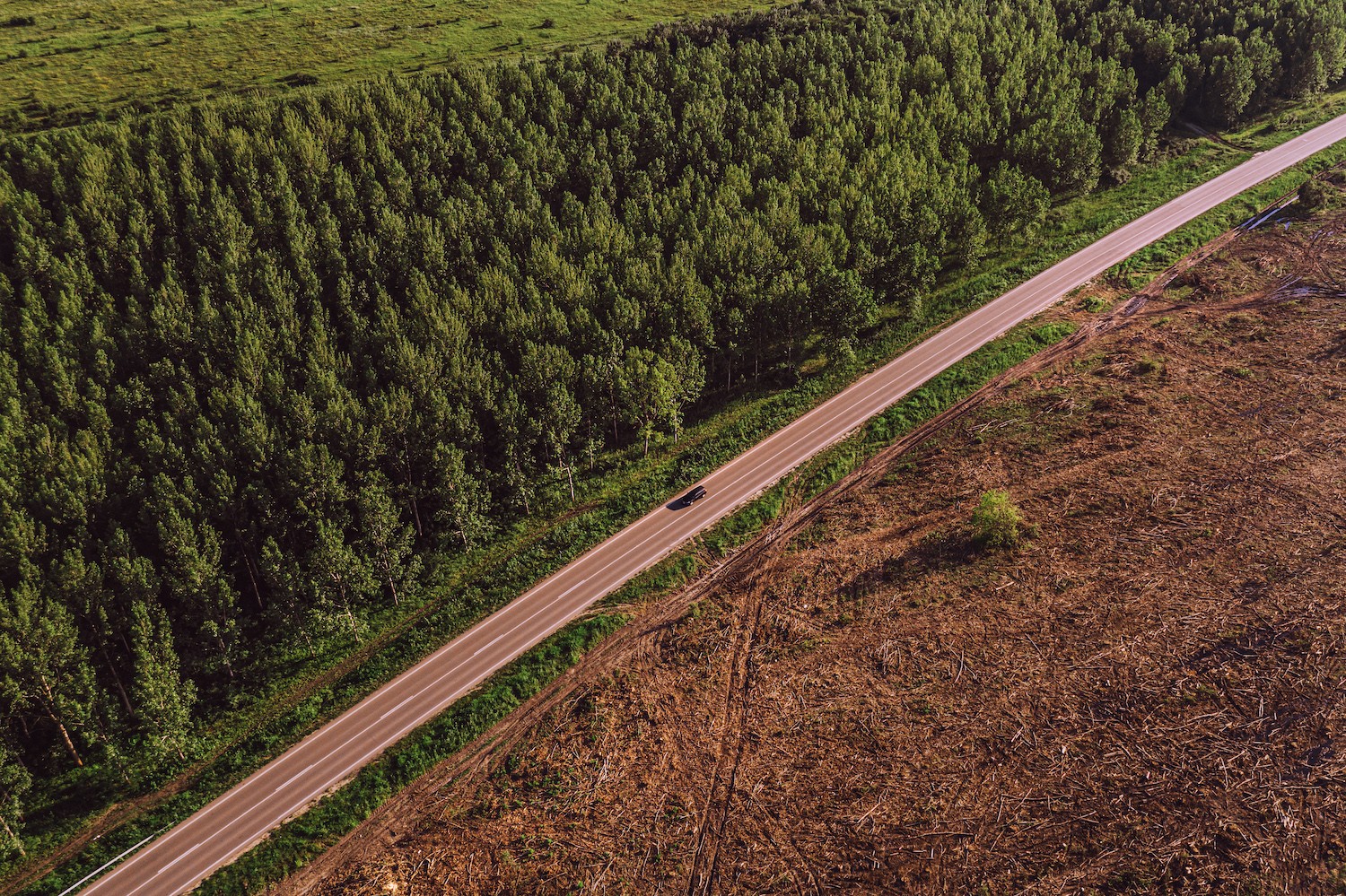
The hidden challenge: emissions accuracy
As routes become longer and less direct, emissions are rising — but not always being captured correctly.
- Ocean freight emissions increasing by 30–40% on diverted routes
- Air freight emissions rising by 15–40% depending on routing
- Many reporting models still rely on outdated assumptions
This creates a growing gap between reported and actual emissions.

What you’ll discover in the full report
- How global routing patterns have changed across ocean, air and inland transport
- The real cost and capacity implications of ongoing disruption
- The rise of multimodal and hybrid logistics solutions
- The true emissions impact of diverted and extended routes
- How Woodland is recalculating emissions based on real-world conditions
Get the Full Report
Access the complete analysis and understand what these changes mean for your supply chain strategy.


