Contact Us

The United States will introduce 50% tariffs on more than $5.6 billion of Canadian goods from 19 August, in a fresh escalation of trade tension between the two USMCA partners. While the measures target a defined set of products rather than the whole trade relationship, they carry wider significance for businesses moving goods across North America, not least because Washington is using a provision of US trade law that has never been applied before.
What has been announced
The US administration has confirmed three separate tariff actions against Canada, each applying a 50% duty and all taking effect from 19 August.
The largest covers around $5 billion of Canadian goods and follows Canada's decision to place quotas on US cars and trucks that meet USMCA rules of origin. That move was itself a response to earlier US tariffs of 25% on Canadian cars and light trucks.
A second action applies to roughly $580 million of Canadian goods. It responds to the decision by most Canadian provinces to stop selling US beer, wine and spirits, a step taken by regional governments amid wider political friction between the two countries.
The third action covers 52 tariff lines and relates to a long-running dispute over dairy. The US argues that Canada discriminates against American dairy exports through the way it administers the tariff rate quotas agreed under USMCA. The proclamation did not put a figure on the trade affected.
A significant legal first
The most notable feature of these measures is the legal basis being used. The tariffs are being applied under Section 338 of the US Tariff Act of 1930, a subsection of the Smoot-Hawley Tariff Act. No tariffs have ever been imposed under Section 338 before.
This matters for two reasons. First, the law contains no time limit and no wording on when the tariffs should be removed, which introduces real uncertainty about how long the measures might remain in place. Second, the use of a previously untested provision signals that the US is willing to draw on the full breadth of its trade legislation, something businesses across all sectors should take note of.
What is not covered
The tariffs are targeted rather than blanket, and several important categories are excluded.
None of the affected products are subject to the existing Section 232 tariffs, which cover vehicles of all kinds including buses and heavy trucks, lumber, steel, aluminium and copper, and derivative products made from those metals and from wood. The new measures also do not apply to aerospace trade, energy trade, or critical minerals and potash.
There is, however, an important change for importers to understand. Unlike earlier tariff actions, goods that previously moved duty-free under USMCA will not receive any credit for meeting the trade pact's rules of origin. In other words, qualifying for USMCA preference will not shield affected goods from the new 50% rate.
What this means for Woodland customers
The announcement is a clear reminder that the current US tariff environment remains active and unpredictable. Any business importing the affected Canadian goods into the US should review their product classifications against the published tariff lines, reassess landed costs from 19 August, and confirm that duty is being calculated correctly given that USMCA origin will no longer provide relief.
More broadly, the willingness to use new legal mechanisms, combined with the open-ended nature of these tariffs, underlines the value of building flexibility into supply chain and sourcing decisions. Reviewing supplier options, understanding tariff exposure across your product range, and keeping customs documentation in good order all help businesses respond quickly when trade policy shifts.
How Woodland can help
Our customs and compliance teams are monitoring developments closely and can help you understand whether your goods are affected, how the measures interact with existing Section 232 tariffs, and what options may be available to manage the impact.
If you have any questions or concerns about these tariffs, or what they may mean for your supply chain, please contact your usual Woodland Group representative directly. We are here to help you navigate the change with confidence.
You may also like:
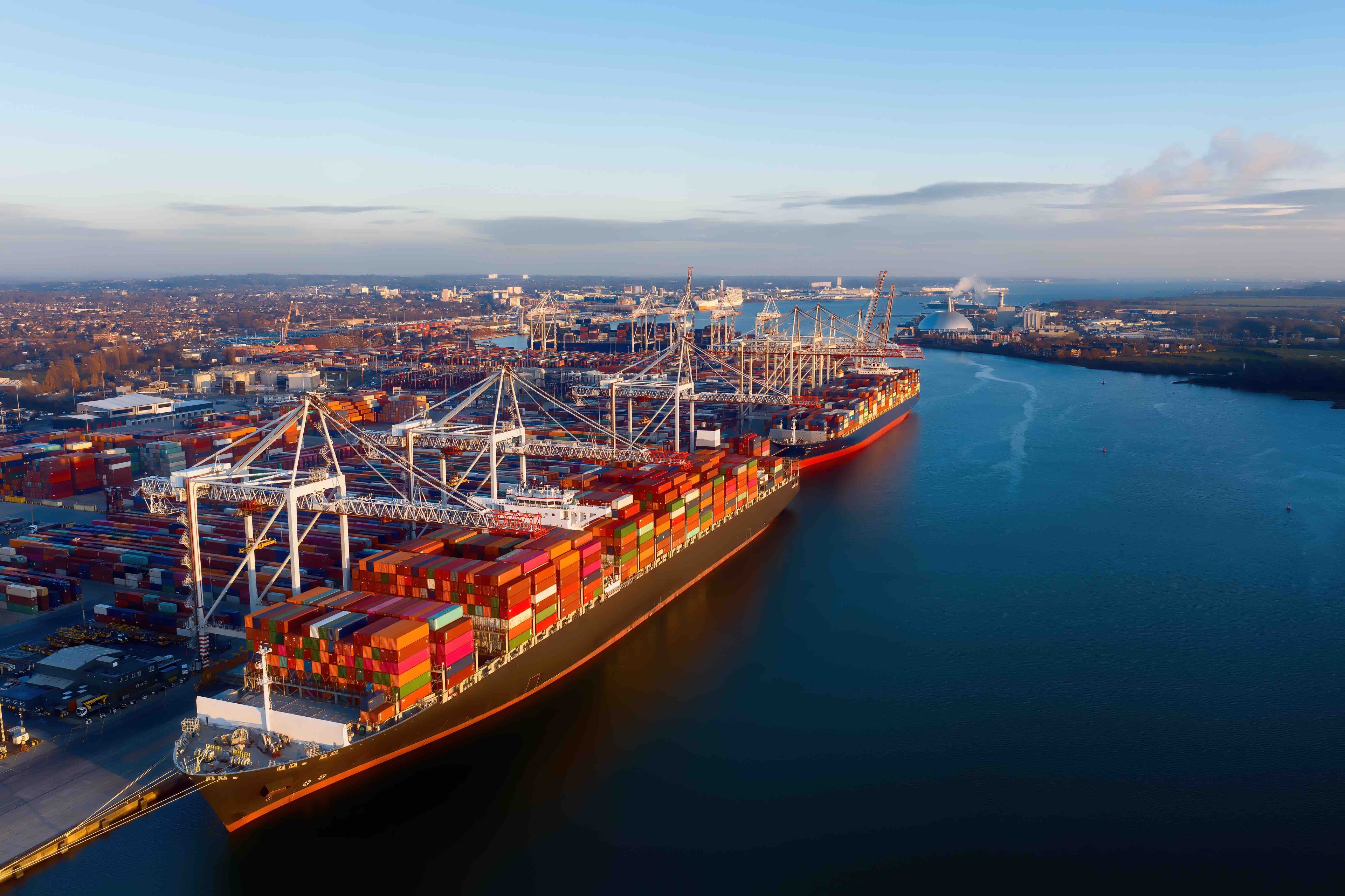
New customs requirements on Ireland to Great Britain movements from 2024
US Government Shutdown - Supply Chain Impact


