Contact Us
6 April 2026•Article
US Import Duties on Steel Aluminium and Copper
New US trade measures are now in force introducing additional duties on a wide range of steel, aluminium and copper products imported into the United States. These changes affect importers of record globally, including non resident importers, and may significantly increase landed costs depending on product classification, metal content and origin. Businesses involved in shipping goods to the US should review their exposure and ensure compliance with the latest requirements.
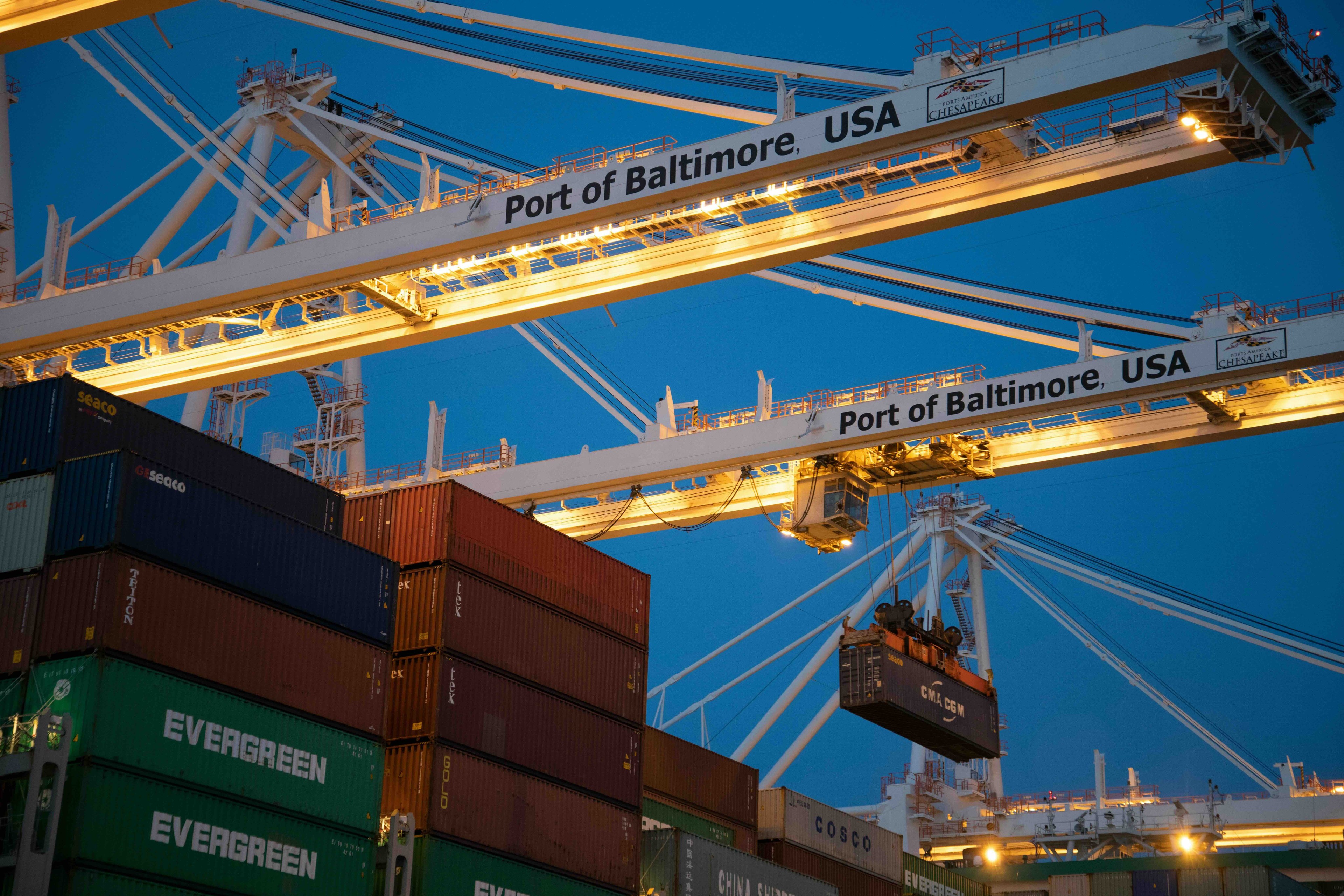
The United States has introduced new trade measures under Section 232 that apply additional duties to a wide range of steel, aluminium and copper products. The changes took effect from 6 April 2026 and impact imports into the United States from all countries.
These measures are particularly important for importers of record, whether US based or foreign, as they are responsible for customs declarations and the payment of any applicable duties. Businesses importing goods into the United States that contain steel, aluminium or copper may now face additional duties ranging from 10 percent up to 50 percent.
The scope of the measures extends beyond raw materials to include many finished and semi finished goods across sectors such as manufacturing, automotive, construction and electronics. The level of duty applied will depend on product classification, the proportion of metal content and the origin of the materials used.
For some imports, goods containing less than 15 percent of the relevant metal may not be subject to additional duties. However, many products will fall within scope and could see a significant increase in landed costs.
There are also important origin considerations. Certain goods may qualify for reduced duty rates depending on where the metal was produced and processed. This includes requirements relating to where steel is melted and poured, and where aluminium or copper is smelted and cast. Where these conditions are not met, higher duty rates may apply.
In addition, the measures introduce ongoing reporting obligations. Importers must continue to declare detailed origin information for metal content, and further reporting requirements for copper products are expected to follow.
Businesses exporting to the United States should also be aware of these changes, as increased duties may affect demand, pricing and supply chain decisions for US customers.
Importers of record are encouraged to review product classifications, assess metal content and ensure that origin data is accurate and readily available to support customs declarations. Early review will be key to avoiding delays, unexpected costs or compliance issues.
With operations across Europe, Asia and North America, Woodland Group is supporting customers globally in navigating these changes. Our dedicated trade and compliance experts are available to provide guidance on product exposure, classification, origin requirements and reporting obligations, as well as strategies to help manage cost and reduce disruption to supply chains.
If you would like to understand how these measures could affect you, please speak with your Woodland representative or click here to be introduced to a trade and compliance specialist.
You may also like:

New customs requirements on Ireland to Great Britain movements from 2024

US Government Shutdown - Supply Chain Impact


