Contact Us
29 June 2026•Article
UK ETS Maritime Changes: What Shippers Need to Know from 1 July 2026
The expansion of the UK ETS marks another step towards reducing emissions across the UK's transport sector. While the new requirements apply directly to maritime operators, the resulting costs are likely to be passed through the supply chain via carrier surcharges. Woodland Group is actively monitoring these developments and working closely with customers to provide transparent pricing, practical guidance and efficient transport solutions as the new regulations take effect.
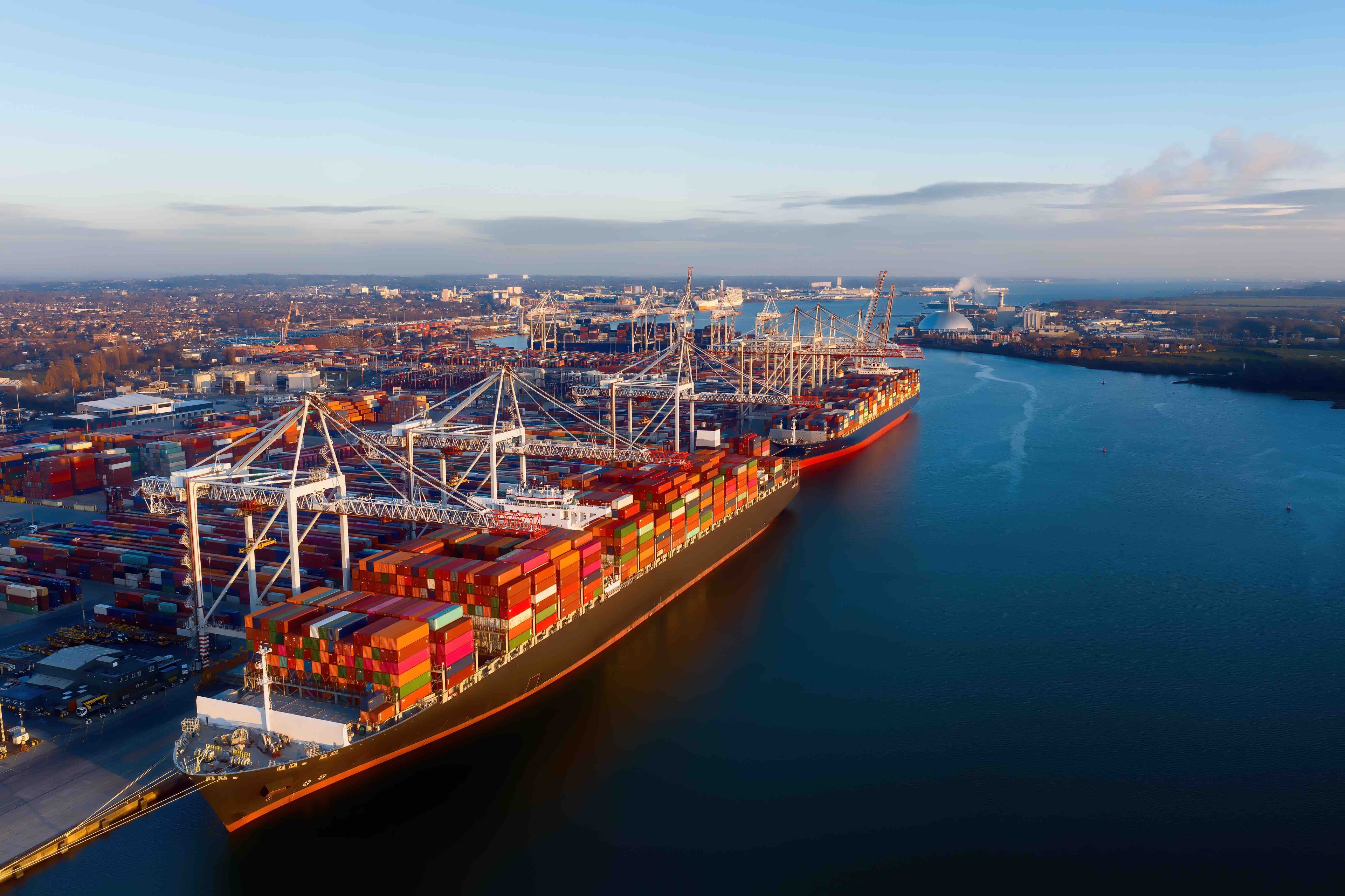
From 1 July 2026, the UK Government will expand the UK Emissions Trading Scheme (UK ETS) to include the domestic maritime sector, introducing new carbon compliance requirements for eligible ferry and shipping operators.
The change forms part of the UK's wider commitment to achieving net zero greenhouse gas emissions by 2050. By bringing maritime transport into the UK ETS, operators will be required to monitor emissions and purchase allowances to cover the carbon produced by qualifying voyages.
For businesses moving freight throughout the UK and Ireland, these changes may begin to influence transport costs as carriers introduce environmental surcharges to recover the additional compliance costs.
What is the UK Emissions Trading Scheme?
The UK Emissions Trading Scheme is the UK's carbon pricing mechanism. It places a financial value on greenhouse gas emissions by requiring organisations in certain sectors to purchase emissions allowances for the carbon they produce.
The scheme already applies across sectors including power generation, manufacturing and aviation. From July 2026, domestic maritime transport will also become part of the scheme, reflecting the Government's plans to decarbonise shipping over the coming decades.
Why are freight costs changing?
As shipping and ferry operators become subject to UK ETS obligations, many have confirmed they will introduce UK ETS environmental surcharges to recover some of the additional compliance costs.
Unlike fixed charges, these surcharges may vary depending on:
- The carrier
- The route being operated
- The type of freight being transported
- The prevailing market price of carbon allowances
As carbon prices fluctuate, ETS-related surcharges may also increase or decrease over time.
Irish Sea services expected to see the earliest impact
While the UK ETS maritime expansion applies across qualifying domestic maritime services, the majority of carrier notifications received by Woodland Group to date relate to Irish Sea freight movements.
Businesses shipping freight between:
- Great Britain and Northern Ireland
- Great Britain and the Republic of Ireland
may begin seeing UK ETS surcharges applied from 1 July 2026, depending on the ferry operator used.
Individual charging structures differ between carriers, meaning costs will vary by route and service.
What should shippers do?
Although the introduction of UK ETS is unlikely to require direct action from most importers and exporters, businesses should be aware that:
- Transport quotations may now include separate UK ETS charges.
- Environmental surcharges may change over time as carbon prices fluctuate.
- Freight budgets may require adjustment where regular ferry services are used.
- Comparing transport solutions may become increasingly important as operators adopt different charging methodologies.
Understanding how these costs are applied can help businesses plan more accurately and avoid unexpected transport charges.
How Woodland Group can help
Woodland Group continues to monitor developments across ferry operators and carrier networks to ensure customers receive timely updates as UK ETS charges are introduced.
Our teams work closely with customers to provide transparent pricing, explain carrier surcharges where applicable, and identify the most efficient transport solutions across the UK, Ireland and Europe.
If you would like to understand how the UK ETS maritime changes could affect your supply chain, contact one of our specialists below.
Need Advice on UK ETS Changes?
If you're unsure how the UK ETS maritime changes could affect your freight movements or transport costs, our team is here to help.
Speak to one of our logistics specialists for practical guidance on carrier surcharges, route planning and keeping your supply chain moving efficiently.
You may also like:
New customs requirements on Ireland to Great Britain movements from 2024

US Government Shutdown - Supply Chain Impact


