Contact Us
23 November 2026•Article
UK CBAM exemption for EU, EEA and Swiss goods
HMRC has published draft legislation that would exempt CBAM goods made in the EU, the EEA or Switzerland from UK CBAM from 1 January 2027, the day the scheme starts. It follows the UK and EU agreeing to link their emissions trading schemes.
For businesses importing aluminium, cement, fertiliser, hydrogen, or iron and steel products from Europe, this could remove much of the cost and paperwork of UK CBAM. But the exemption depends on where goods are made, not where they are shipped from, and goods from everywhere else are still covered. Here's what it means for importers, and what doesn't change.

The update in brief
- What’s changed: HMRC has published draft legislation that would exempt qualifying CBAM goods originating in the EU, EEA and Switzerland from UK CBAM from 1 January 2027. It follows the UK and EU agreeing to link their emissions trading schemes.
- What it means: qualifying goods would carry no UK CBAM charge, wouldn’t count towards the £50,000 registration threshold, and wouldn’t go on a UK CBAM return. The exemption would apply retrospectively once the law is passed.
- Origin is what counts: goods made outside these countries don’t qualify just because they ship from the EU, or because EU CBAM has been paid.
- What stays the same: UK CBAM still starts on 1 January 2027 for goods from everywhere else. Register by 31 January 2028 if liable in 2027; the first return is due by 31 May 2028.
- What to do now: check commodity codes and origin, get origin evidence from suppliers, separate exempt goods in your data and keep monitoring the threshold.
- Moving goods from Europe? Our European road freight team offers full and part loads, groupage and express services, with customs handled in-house.
What is changing?
Not yet a two-way exemption
The UK and EU are aiming for the ETS link to be operational from 1 January 2028, with exemptions from both CBAMs in place by then, subject to EU legislative procedures. The EU side is expected to apply from 1 January 2028. Until it does, UK-origin goods entering the EU remain within EU CBAM.
HMRC published the draft legislation on 23 November 2026, three days after the UK and EU set out their agreement to link the UK Emissions Trading Scheme (UK ETS) and the EU Emissions Trading System (EU ETS).
If the legislation is passed, qualifying goods of EU, EEA or Swiss origin will:
- not be subject to a UK CBAM charge
- not count towards the £50,000 UK CBAM registration threshold
- not need to be included in a UK CBAM return, even if you have to register for other goods
The legislation is expected to receive Royal Assent after 1 January 2027, so the exemption will apply retrospectively once it is enacted. Until then, the law currently in force applies, so keep your UK CBAM records as normal. The draft could also change as it goes through Parliament.
Not yet a two-way exemption
The UK and EU are aiming for the ETS link to be operational from 1 January 2028, with exemptions from both CBAMs in place by then, subject to EU legislative procedures. The EU side is expected to apply from 1 January 2028. Until it does, UK-origin goods entering the EU remain within EU CBAM.
Origin counts, not where goods ship from
The exemption depends on where goods originate, not the country they are dispatched from. Origin is decided by the UK's non-preferential rules of origin.

Take an in-scope steel product made in China and shipped to the UK from a warehouse in the EU. It would not qualify. Its origin is still outside the EU, EEA and Switzerland, so the normal UK CBAM rules could apply.
So don't assume goods are exempt just because they were bought from an EU supplier, cleared through EU customs or shipped from an EU location. Your evidence needs to support the origin itself, not just name the supplier or dispatch country. Useful evidence includes:
- supplier origin declarations
- manufacturing information
- technical product records
- other commercial and customs documents
What if EU CBAM has already been paid?
Goods originating outside the EU, EEA and Switzerland do not qualify for the exemption just because they have already been subject to EU CBAM.
You may be able to claim Carbon Price Relief instead if an eligible carbon price, including a qualifying EU CBAM charge, has been paid on the embodied emissions. Relief is not automatic. The carbon pricing scheme must qualify, and you will need a carbon pricing verification form completed by an accredited independent verifier.
What stays the same
UK CBAM still starts on 1 January 2027 and applies across the whole UK, including Northern Ireland. It covers specified goods in five sectors: aluminium, cement, fertiliser, hydrogen, and iron and steel. Scope is set by commodity code, not sector. For example, aluminium and iron and steel scrap is excluded at launch.
In-scope goods that originate outside the EU, EEA and Switzerland stay under the normal rules, including the threshold, returns and any CBAM charge. If your supply chain mixes origins, you may still need to register and file returns even if some of your imports are exempt.

The £50,000 registration threshold has two tests
- Looking forward: on any day, if you expect to import CBAM goods worth £50,000 or more in the next 30 days, you become liable to register that day.
- Looking back: on the first day of each month, if your CBAM imports in the previous 12 months reached £50,000 or more, you become liable to register that day. Imports before 1 January 2027 don't count.
Once the legislation is enacted, qualifying EU, EEA and Swiss-origin goods are left out of both tests.
What should importers do now?
Keep going with your UK CBAM preparations. The announcement narrows UK CBAM for many businesses, but it doesn't remove the need to prepare.
- Review commodity codes to see which of your imports fall within UK CBAM.
- Confirm the non-preferential origin of in-scope goods, rather than relying on the supplier's location or where goods ship from.
- Ask EU, EEA and Swiss suppliers for origin evidence that supports the origin of each product.
- Separate exempt and non-exempt goods in your purchasing, customs and reporting data.
- Monitor the £50,000 threshold using both tests, and follow the law in force until the exemption is enacted.
- Keep your UK CBAM records, including the evidence behind any exemption.
- Watch for updates to the legislation and HMRC guidance, as the draft could change before it is enacted.
What this means for Woodland customers
If you import qualifying CBAM goods of EU, EEA or Swiss origin, this could significantly reduce the reporting and financial impact of UK CBAM on your business.
Woodland acts as your freight forwarder and customs representative, but that doesn't move responsibility for UK CBAM. As the importer, you remain responsible for the correct commodity code, origin and UK CBAM treatment of your goods. Make sure accurate product and origin information is available, and assess each product separately rather than treating everything from a European supplier as exempt.
Moving goods between Europe and the UK
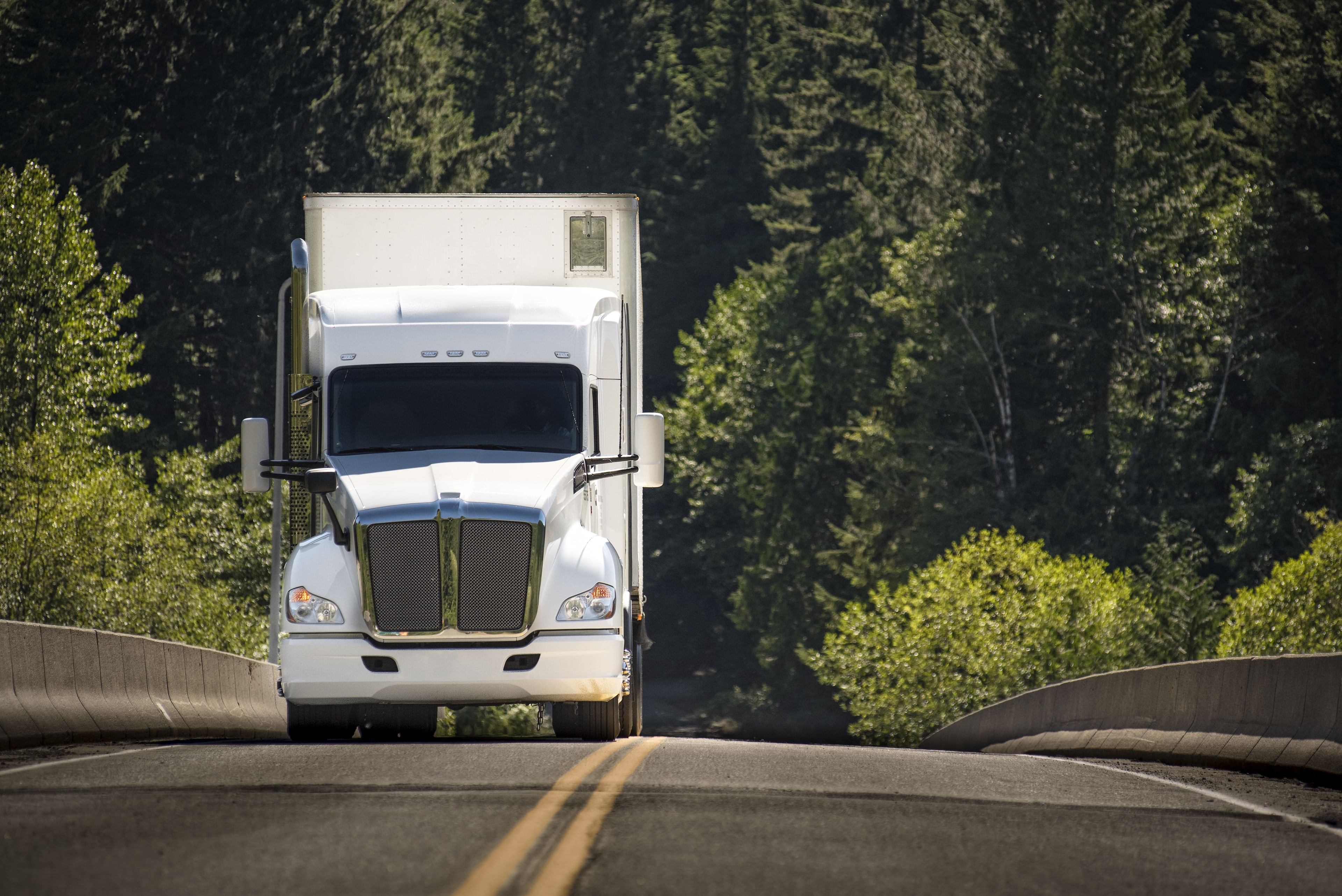
If you are importing from the EU, the EEA or Switzerland, Woodland's European road freight team can move your goods door to door, with customs handled by our in-house teams.
We have been running road freight services since 1988, covering the UK and mainland Europe, including Switzerland:
- Full and part loads, with daily departures door to door
- Groupage, so you only pay for the space your goods take up
- Express services for urgent shipments
- Customs clearance at both ends, with live tracking throughout
Our customs teams can make sure the commodity codes and origin details you give us are carried through to your import declarations, with copies of the documents you need for your CBAM records.
Find out more
Our UK CBAM 2027: what importers need to know page has been updated with these changes. You can also download the updated UK CBAM Guide, which covers scope, the new exemption, the threshold tests, key dates, emissions data, record keeping and Carbon Price Relief.
If you have questions about how UK CBAM affects your imports, contact your local Woodland representative.
Official guidance from GOV.UK:
- Draft legislation: exemption for EU, EEA and Swiss-origin goods from CBAM
- UK–EU ETS linking agreement: explainer
- UK CBAM policy summary
This article reflects the position as of 24 November 2026. The proposed exemption is in draft legislation and is subject to the Parliamentary process. It is for information only and is not legal, customs or tax advice. Refer to the latest HMRC guidance and take specialist advice where needed.
You may also like:
New customs requirements on Ireland to Great Britain movements from 2024

US Government Shutdown - Supply Chain Impact


