Contact Us
23 October 2026•Article
Typhoon Champi: Severe Weather Disruption
Severe Typhoon Champi is bringing strong winds, heavy rainfall and disruption to supply chain operations across Taiwan and China's eastern coastline, with potential implications for international shipping schedules, port operations and cargo movements.
Ports and shipping services serving Shanghai, Ningbo, Zhejiang and Fujian are facing adverse weather conditions and operational restrictions, with disruption potentially continuing into next week.
Businesses importing from or exporting to the region should anticipate possible changes to vessel schedules, cargo collection arrangements and shipment transit times.
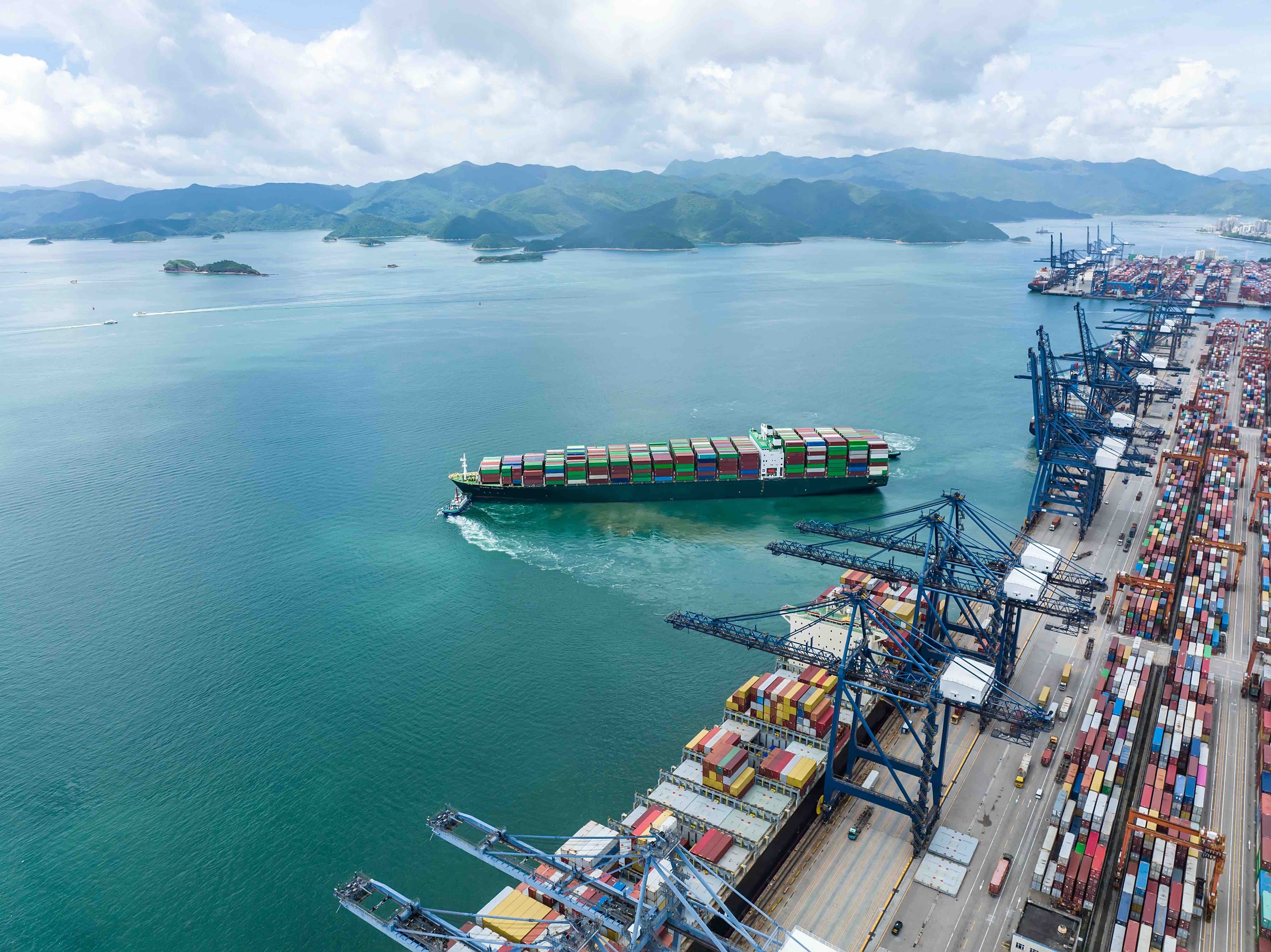
Severe Typhoon Champi is creating significant challenges for logistics operations across Taiwan and China's eastern coastline, with adverse weather conditions, precautionary restrictions and changes to transport schedules potentially affecting international cargo movements.
The disruption is particularly relevant to major shipping gateways including Shanghai and Ningbo, which play a central role in international trade between Asia, Europe and North America. With weather warnings extending across Zhejiang and Fujian provinces, businesses moving goods through the region may face changes to scheduled departures, port handling arrangements and onward connections.
Although the storm is forecast to weaken as it moves northwards, its impact on shipping operations could extend beyond the immediate weather event. Temporary restrictions and disrupted vessel schedules can contribute to congestion, missed connections and delays as ports and shipping lines work to restore normal operations.
For businesses with established supply chains across Asia, the potential implications also extend beyond the directly affected locations. Services connecting through Shenzhen, Hong Kong and other regional gateways may experience knock-on delays, depending on individual carrier schedules and routing arrangements.
Which Ports and Shipping Routes Are Affected?
Shanghai and the Yangtze River Delta
Shanghai and the surrounding Yangtze River Delta are among the principal areas of concern.
Shanghai authorities have forecast heavy rainfall and strong winds from 23 October, with particularly challenging conditions expected around coastal areas and the Yangshan port complex.
Maritime industry reports indicate that pilotage services at the Changjiang Estuary were suspended from 21 October, with additional vessel movement restrictions scheduled from 23 October.
These restrictions may affect vessel arrivals, departures and access to ports and terminals connected to the Yangtze River shipping network.
Ningbo, Zhoushan and Zhejiang Province
Ningbo-Zhoushan, one of China's principal container shipping gateways, is also preparing for deteriorating conditions.
The Ningbo Maritime Safety Administration activated a Level III typhoon emergency response on 21 October, with maritime safety precautions and restrictions affecting coastal activities.
Further disruption to vessel movements, terminal operations and cargo handling remains possible as Champi moves northwards through the East China Sea.
The potential impact extends to surrounding Zhejiang ports and shipping connections, including Zhoushan, Wenzhou and Taizhou.
Fujian Province: Xiamen and Fuzhou
Ports across Fujian Province, including Xiamen and Fuzhou, are also exposed to adverse conditions associated with the typhoon and its wider circulation.
Maritime reports have identified precautionary measures and anticipated restrictions at several ports along the coastline.
Businesses using these gateways should remain alert to revised vessel schedules, possible cargo cut-off changes and any temporary limitations on port access.
Taiwan
Taiwan has experienced significant disruption as Typhoon Champi passes close to its eastern coastline.
The Port of Taichung confirmed the suspension of inbound and outbound vessel movements from 16:00 local time on 22 October after wind conditions reached its operational safety threshold.
Taiwanese port authorities have also implemented wider precautionary measures, with operations at individual ports subject to weather and safety assessments.
Disruption to maritime and air transport could affect cargo connections between Taiwan, mainland China and international destinations.
Wider Implications for Asian Shipping
Although the most significant direct weather impacts are concentrated around Taiwan and eastern China, the consequences may extend beyond the immediate affected areas.
In particular, shipping services connecting Shanghai and Ningbo with southern China, Hong Kong and other Asian transhipment gateways could experience knock-on schedule changes.
This is relevant for customers shipping through Shenzhen, including Yantian and Shekou, as well as Hong Kong, even where these locations are not experiencing the same direct weather conditions.
Potential impacts include:
- Vessel delays and revised departures: Shipping lines may adjust schedules or delay vessel movements in response to adverse weather and port restrictions.
- Port congestion: Temporary suspensions can create backlogs in vessel arrivals, berthing and container handling.
- Cargo cut-off changes: Export documentation, container delivery and terminal receiving deadlines may be revised.
- Connecting service disruption: Delayed vessels can affect feeder connections and onward international shipping schedules.
- Inland transport delays: Severe rainfall and local safety restrictions may affect collections, deliveries and access to port facilities.
Shipping market participants are already experiencing congestion-related delays of approximately four days at Shanghai and Ningbo. Further delays remain possible, although the extent will depend on individual ports, carriers and how quickly normal operations resume.
Potential Impact on Air Freight
The disruption is not limited to ocean freight.
China Eastern Airlines has issued operational notices identifying potential flight disruption between 23 and 24 October at locations including Shanghai, Ningbo, Wenzhou and Fuzhou.
Taiwan has also experienced widespread flight cancellations.
Air freight schedules and available capacity may therefore be affected, particularly where shipments rely on connecting services or cargo space on passenger aircraft.
How Woodland Group Is Supporting Customers
Woodland Group maintains an established operational presence across China and Hong Kong, with teams in Shanghai, Ningbo, Shenzhen and Hong Kong supporting cargo movements to and from international markets.
Our local presence allows us to work directly with carriers, suppliers and logistics partners to assess developing conditions and help customers understand the potential impact on their shipments.
Our teams can support customers with reviewing affected bookings, checking revised shipping schedules and exploring alternative arrangements where appropriate.
We recommend that businesses with time-sensitive cargo moving through the affected region review their upcoming shipments and maintain flexibility around planned departure and delivery dates.
Customers with existing bookings or upcoming shipments involving East China or Taiwan are encouraged to contact their usual Woodland Group representative for shipment-specific guidance.
We will continue to review developments as weather conditions and regional port operations change.
You may also like:
New customs requirements on Ireland to Great Britain movements from 2024

US Government Shutdown - Supply Chain Impact


